Is My Child’s Gum Bleeding a Dental Emergency?

Common Reasons for Gum Bleeding in Children
Poor Or Inconsistent Brushing
Brushing Too Hard Or Using The Wrong Toothbrush
New Teeth Coming Through
Gum Inflammation (Early Gum Disease)
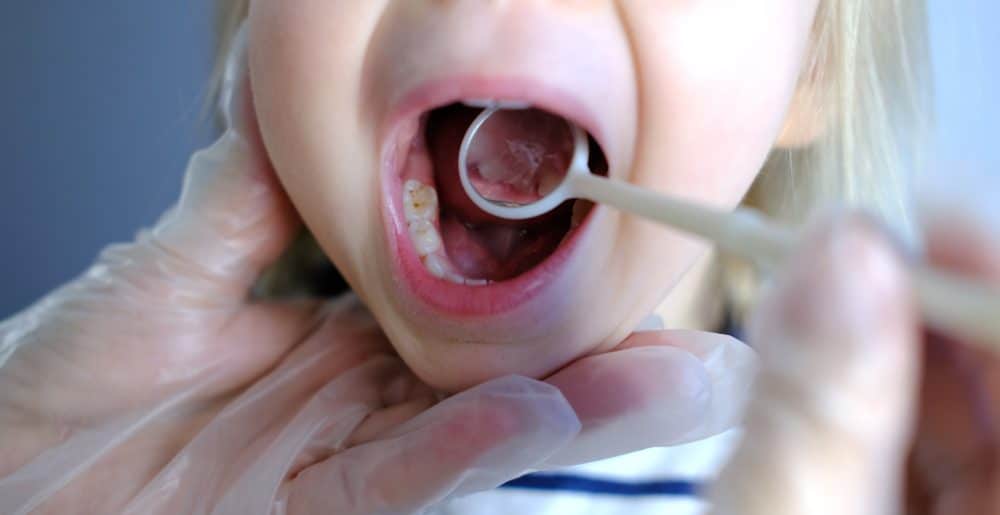
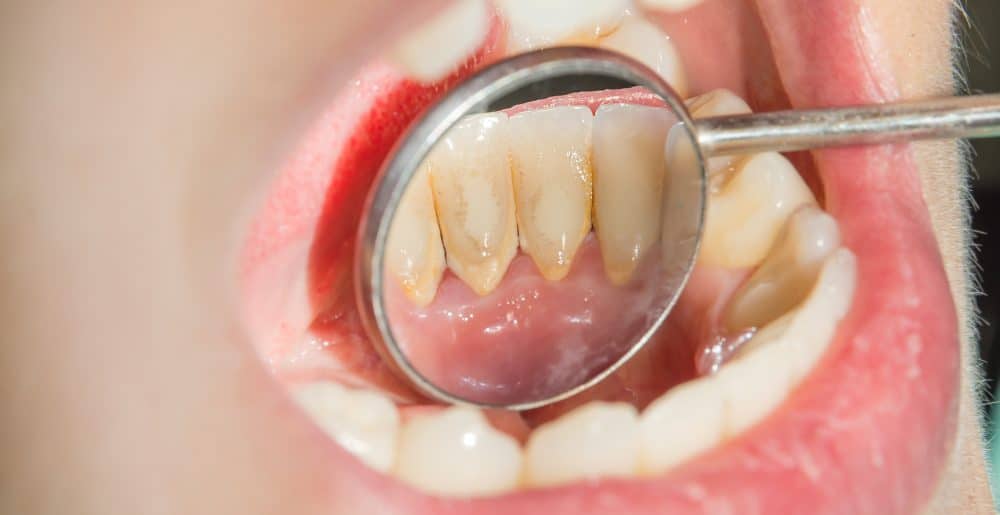
When Gum Bleeding in Children Is Not A Dental Emergency
Mild Bleeding During Brushing
Bleeding That Stops Quickly
No Pain, Swelling, Or Bad Smell
Bleeding Linked To Missed Brushing
Bleeding Around New Teeth
Bleeding That Improves With Better Care

When Gum Bleeding Needs Urgent Dental Care
Bleeding That Keeps Coming Back
Swollen, Painful, Or Very Red Gums
Bleeding After A Fall Or Mouth Injury
Bleeding With Fever Or Feeling Unwell
Pus, Bad Taste, Or Bad Breath
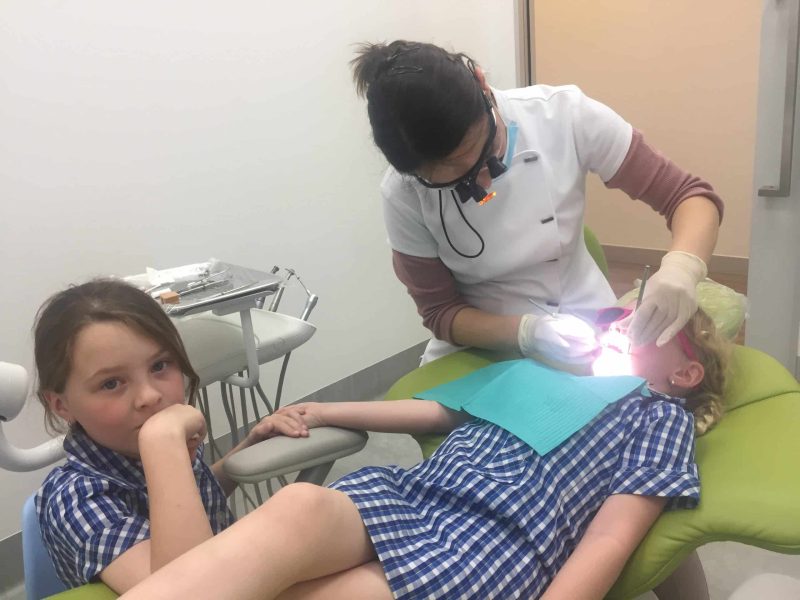
What If My Child Needs Urgent Dental Care But Has Severe Anxiety?
Laughing Gas (Nitrous Oxide)
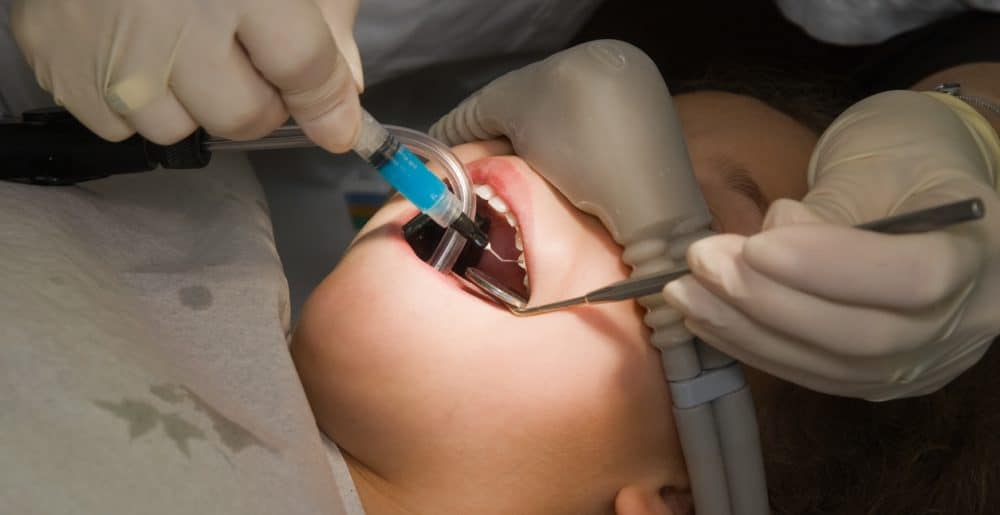
Laughing gas is used for children who are anxious at the dentist. It is a conscious sedation option, which means your child will stay awake and can respond to us whenever needed. Happy gas or nitrous oxide will be breathed in through a small mask placed over your child’s nose. The gas helps their body relax and reduces fear without putting them to sleep. While children remain aware and can respond, the sharp edge of anxiety softens. Once the mask comes off, the effect fades quickly.
Sleep Dentistry Under General Anaesthesia
Sleep dentistry in Brisbane is used when your child’s anxiety is severe or when treatment cannot be done safely while they are awake. Under general anaesthesia, your child is fully asleep and does not feel or remember the procedure. This allows dental care to be completed without distress or restraint. It is planned carefully, medically supervised, and chosen only when it offers the safest way to care for the child’s health and well-being.
If you need more information: Child’s Dental Appointment under GA – Brisbane City Dentist

What Parents Can Do At Home Right Away
- Brush Gently Twice A Day: Use a soft toothbrush. Aim the bristles toward the gumline. Light pressure works better than force.
- Check How Long Brushing Lasts: Two minutes matters. Many children stop early, especially around the back teeth, where plaque builds up.
- Switch To A Soft Or Extra-Soft Toothbrush: Hard bristles can damage gums. A small brush head helps reach tight spots without scraping.
- Watch Where Your Child Misses: The gumline and back molars are often skipped. Help younger children or supervise brushing.
- Avoid Over-Brushing: Brushing more than twice a day or scrubbing hard can worsen bleeding instead of fixing it.
- Rinse With Plain Water After Brushing: This clears loose plaque and toothpaste without irritating sore gums.
- Do Not Stop Brushing Because of Blood: Stopping allows more plaque to build up. Gentle, regular brushing helps gums heal.
- Look For Changes Over Two Weeks: Bleeding that improves with better brushing is a good sign. No change means it needs checking.
- Note Other Signs: Pay attention to pain, swelling, bad smell, fever, or bleeding after injury. These signs shift the situation.
- Book A Dental Visit If Unsure: When bleeding feels persistent or unclear, early advice is safer than waiting.


What A Dentist Will Check During The Visit
During the visit, our kids’ dentists will take a careful look at what is really causing your child’s gums to bleed
They will look at:
-
Where the bleeding starts and how easily it occurs, to separate irritation from deeper issues
-
Gum health, including redness, swelling, tenderness, or pus, as healthy gums should look pale pink and feel firm
-
Plaque and hardened tartar along the gumline or between teeth, which brushing alone cannot remove
-
Brushing habits, including routine, timing, and technique, because watching a child brushing their teeth often explains the problem quickly.
-
New or erupting teeth, to see if stretching gum tissue plays a role
-
Signs of injury, since small knocks can affect gums or teeth without obvious damage
If anything seems unusual, general health and medications are discussed. From there, the next step is clear and practical, whether that means a professional clean, changes at home, or further care if needed.

Can Gum Bleeding Be Linked To Other Health Issues?
How To Help Prevent Gum Bleeding In Children
- Build A Brushing Routine That Actually Happens: Gums stay healthier when brushing happens morning and night, not just on good days. Many children bleed simply because brushing slips when life gets busy. Consistency matters more than technique at first.
- Slow Brushing Down: Most kids rush. They swipe the front teeth and stop. Plaque stays along the gumline and between back teeth. Taking the full two minutes gives the gums a chance to calm down over time.
- Choose A Toothbrush That Matches Your Child’s Mouth: A small head reaches the back teeth without scraping the gums. Soft or extra-soft bristles bend instead of cutting into tender tissue. If brushing causes pain, children avoid it. That cycle keeps gums inflamed.
- Watch How Much Pressure Your Child Uses: Many children press hard because they think harder means cleaner. It doesn’t. Gentle pressure removes plaque without damaging the gums. If the bristles spread out quickly, the pressure is too much.
- Help Younger Children, Even If They Resist: Children often lack the coordination to clean properly until around eight or nine. Helping does not mean taking over forever. It means guiding until their brushing actually protects their gums.
- Keep Brushing When Bleeding Appears: Blood can make parents want to stop brushing. That allows plaque to build up and worsens the problem.
- Replace Toothbrushes Before They Wear Out: Frayed bristles clean poorly and irritate gums. A fresh brush every three months keeps cleaning effective and comfortable.
- Pay Extra Attention If Your Child Has Braces Or Crowded Teeth: Plaque hides easily around brackets and tight spaces. Extra care in these areas often reduces bleeding within weeks.
- Support Gum Health With Everyday Food Choices: Frequent sugary snacks feed plaque bacteria. Balanced meals and water between snacks help gums stay calmer.
- Treat Ongoing Bleeding As A Signal, Not A Failure: If bleeding continues despite good care, it does not mean you or your child is doing something wrong. It often means professional cleaning or guidance is needed.
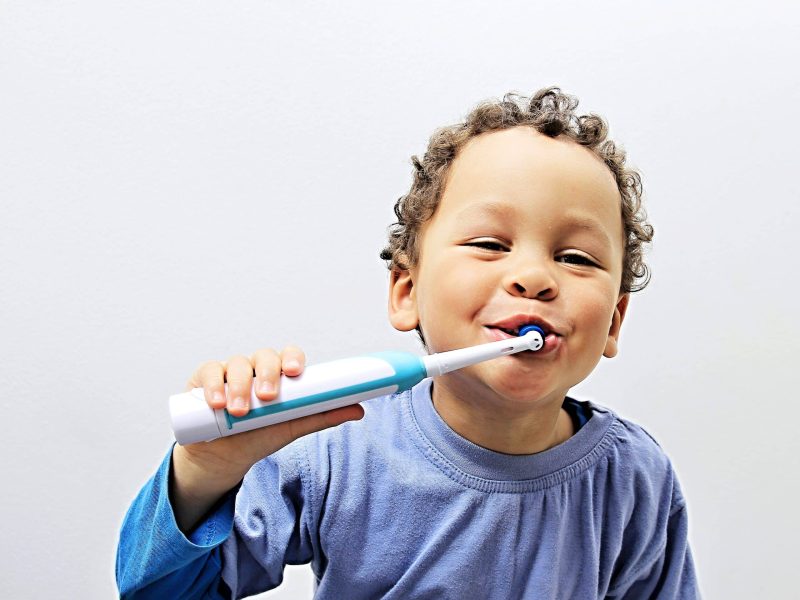
When A Child Needs A Different Approach

Frequently Asked Questions
Why are my child’s gums bleeding when they brush their teeth?
Can gum bleeding in children be a sign of gum disease?
How long should bleeding gums last before I worry?
Could bleeding gums mean my child isn’t brushing properly?
Is it normal for gums to bleed when a child first starts flossing?
Can injury or trauma cause my child’s gums to bleed?
Could a new toothbrush or hard bristles be causing bleeding?
Are vitamin deficiencies linked to bleeding gums in kids?
When should bleeding gums prompt an urgent dental visit?
Can medications or health conditions make my child’s gums bleed?
Ongoing Gum Bleeding Deserves A Closer Look
Ongoing gum bleeding often needs more than guesswork. A careful check can clarify what’s causing it and what will actually help, whether that’s simple care at home or treatment that shouldn’t wait. If cost or timing is a concern, options like Humm and Supercare can be discussed where appropriate. To speak with our team or schedule a visit, please call us at your convenience.
Clinic Location:11/1932–1974 Logan Rd, Upper Mt Gravatt, QLD 4122
Phone Number: 07 3343 4869
Our clinic is available 24/7 by appointment, subject to availability.