When Is Sleep Dentistry Needed, And When Is It Not
We suggest sleep dentistry for dental work when doing the work awake isn’t realistic for that patient. Sometimes that’s about the sheer size of the job. Sometimes it’s about the person in the chair, their age, their health, or how much they can cope with in one sitting. It’s a decision made when the ordinary route would either take too long, hurt too much, or simply not get finished. When sleep dentistry is needed comes down to four reasons that turn up again and again.
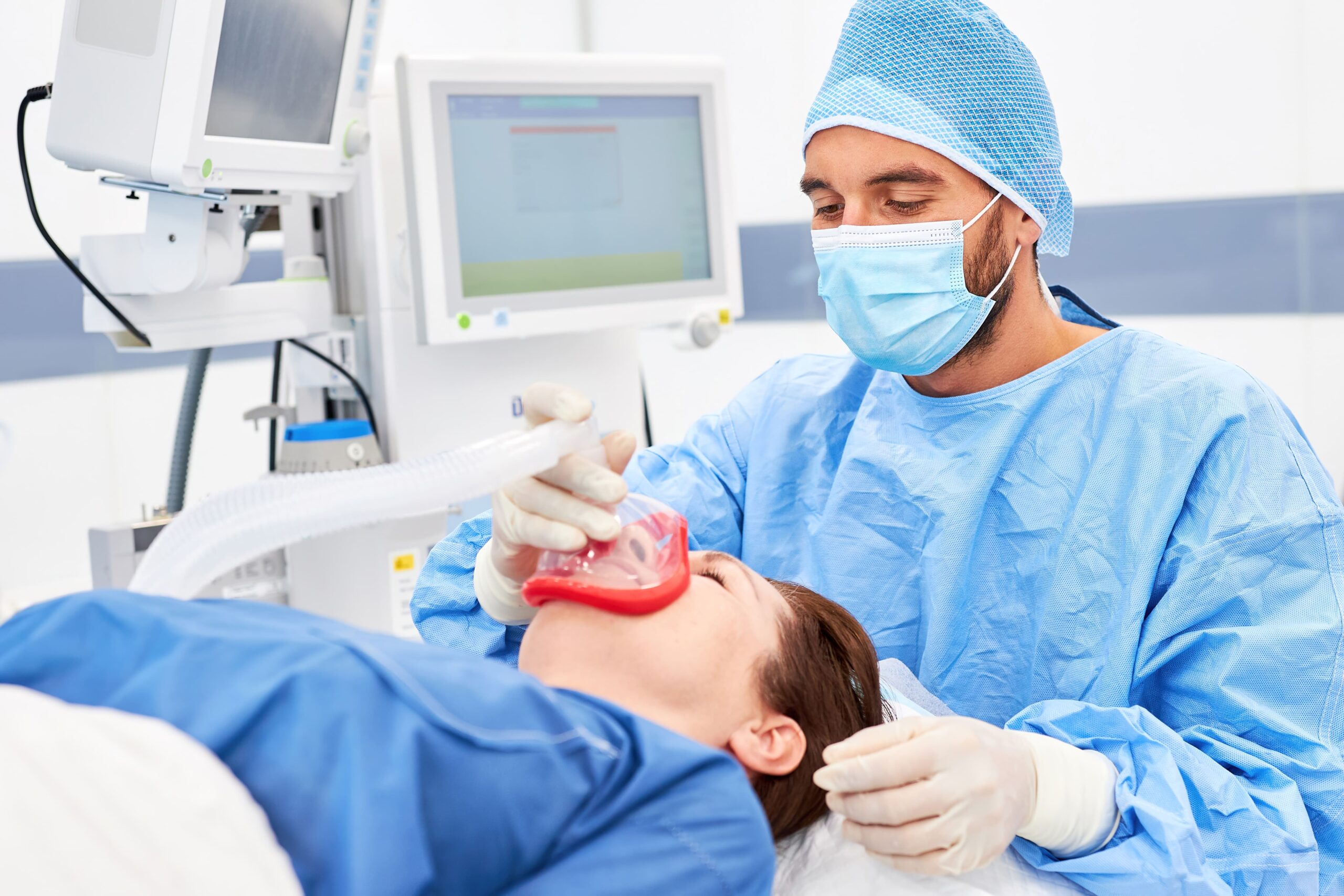
Here’s Why We Recommend Sleep Dentistry
We suggest sleep dentistry in Brisbane for four main reasons, and most patients have two or three of them at once.
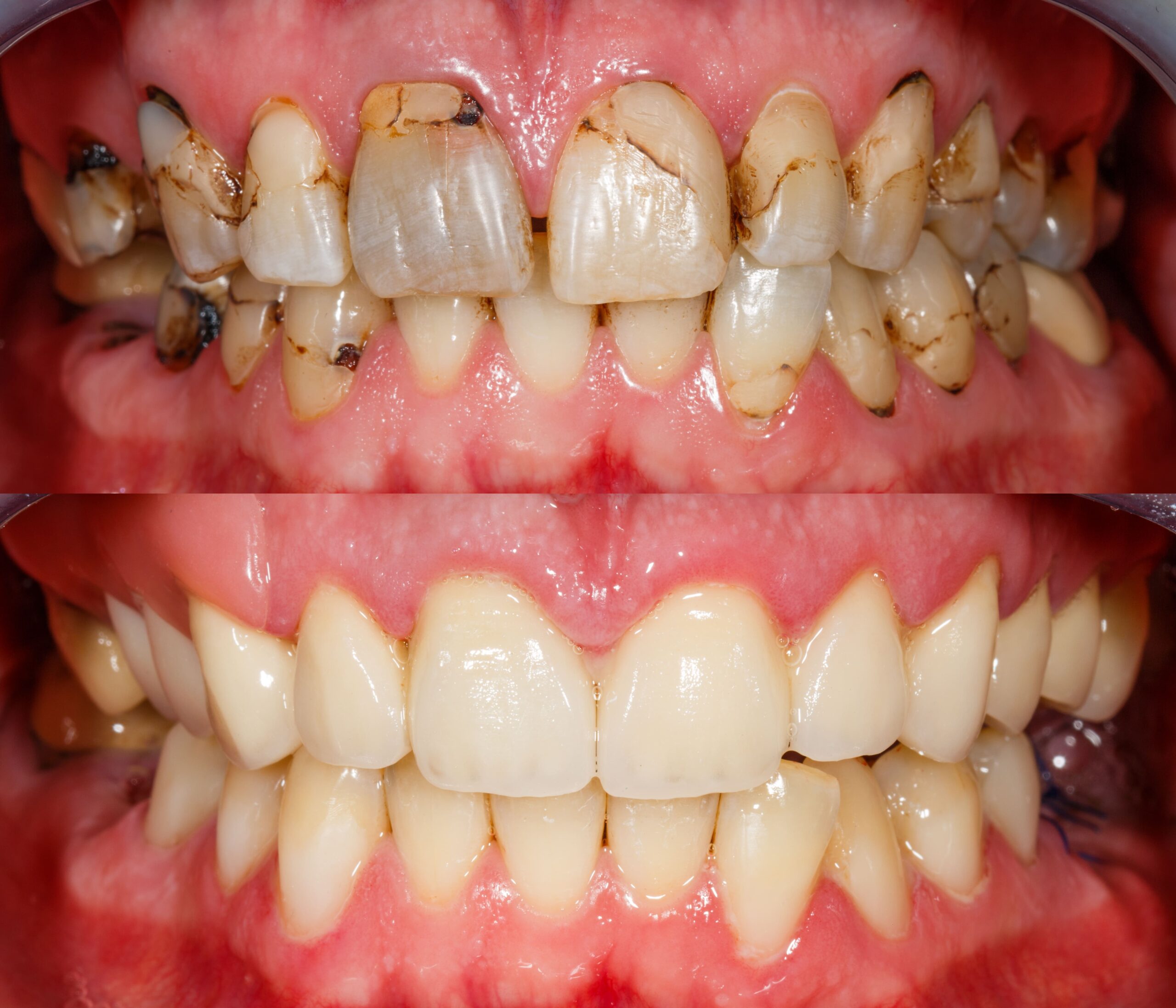
When There’s Too Much Work To Do In One Mouth
Eighteen teeth. One sitting. That’s one of the bigger plans we’ve written this year: two upper molars to come out in pieces, fifteen fillings spread across both jaws, some a single surface, and one wrapping four faces of the same tooth, root canal work on two front teeth, plus a clean and an X-ray. Our Brisbane Dentist mapped the whole thing out for one appointment under IV sedation.
Now picture that list awake. It stops being an appointment and turns into a calendar. Back to the same corner of the mouth week after week, a fresh needle each time, months of it, and a jaw that never gets a proper run of ordinary days in between. Most people handle a filling or two that way without much fuss. Fifteen is another matter.
When A Child Is Too Young To Sit Through It
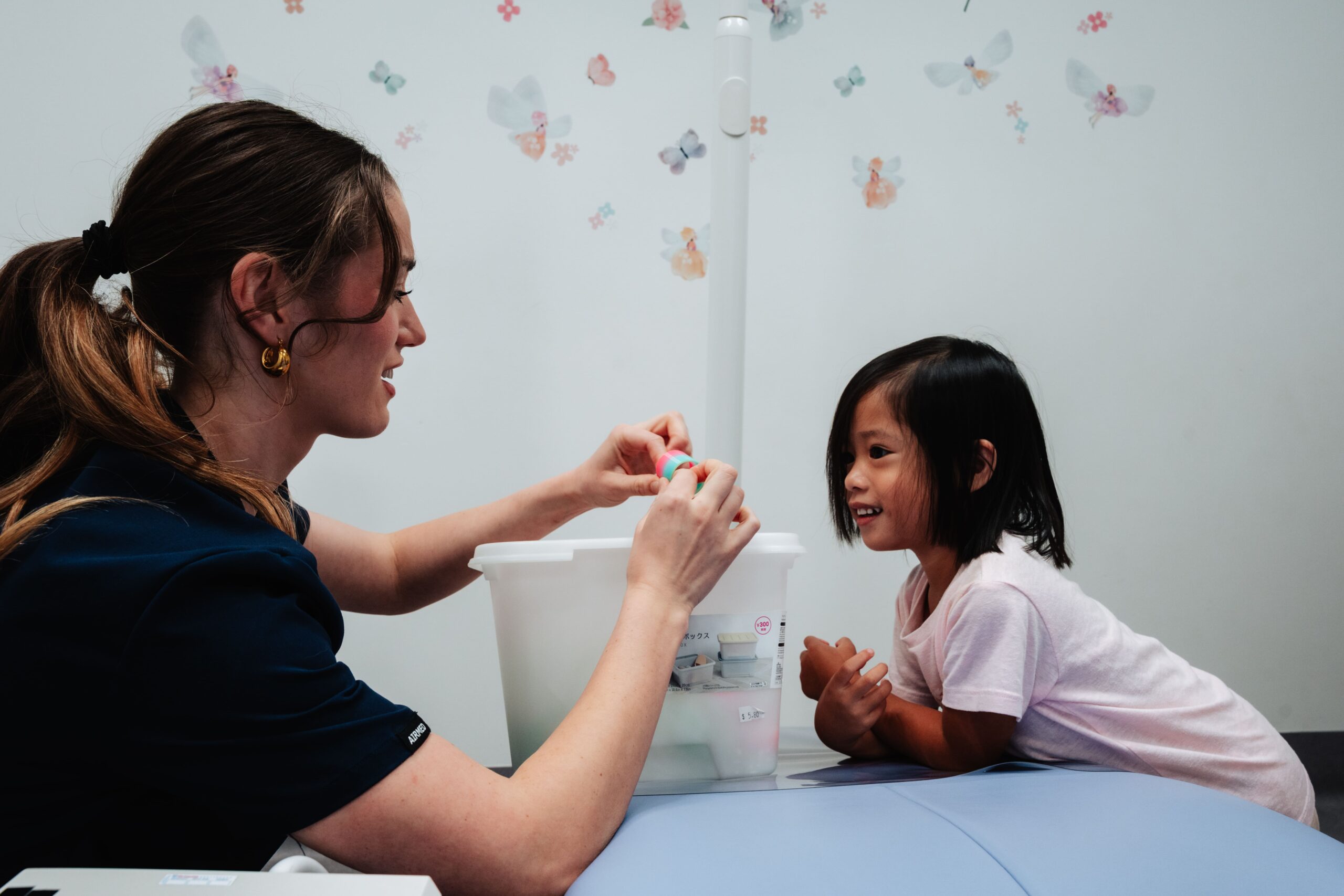
Some children can’t be reasoned with yet; they’re simply too young, explains Dr Ellie Nadian, our Brisbane Paediatric Dentist.
That was the case with one of our patients this month. Decay across several baby teeth, four top front teeth affected on more than one surface each, one of them deep enough to have reached the nerve. Fixing that properly means four crowns and a filling, and it isn’t a ten-minute job.
Our kids dentist didn’t offer to try it in the chair. Her reason went in the letter home to the parents: at two years old, this little girl is too young to have treatment while awake.
When Fear Is The Only Thing In The Way
Sometimes there’s nothing complicated about the treatment at all. One tooth, a straightforward extraction, the sort of appointment that would normally take half an hour in the chair. The obstacle isn’t in the mouth. It’s the prospect of sitting there awake while it happens, and for some people, that’s enough to keep them out of the chair for years. One of our patients rang us about her bottom left wisdom tooth, aching for days and sore when she brushed. She wasn’t ringing about wisdom tooth removal itself. She was ringing to ask whether she could be asleep for it.

When A Disability Makes The Ordinary Route Unworkable
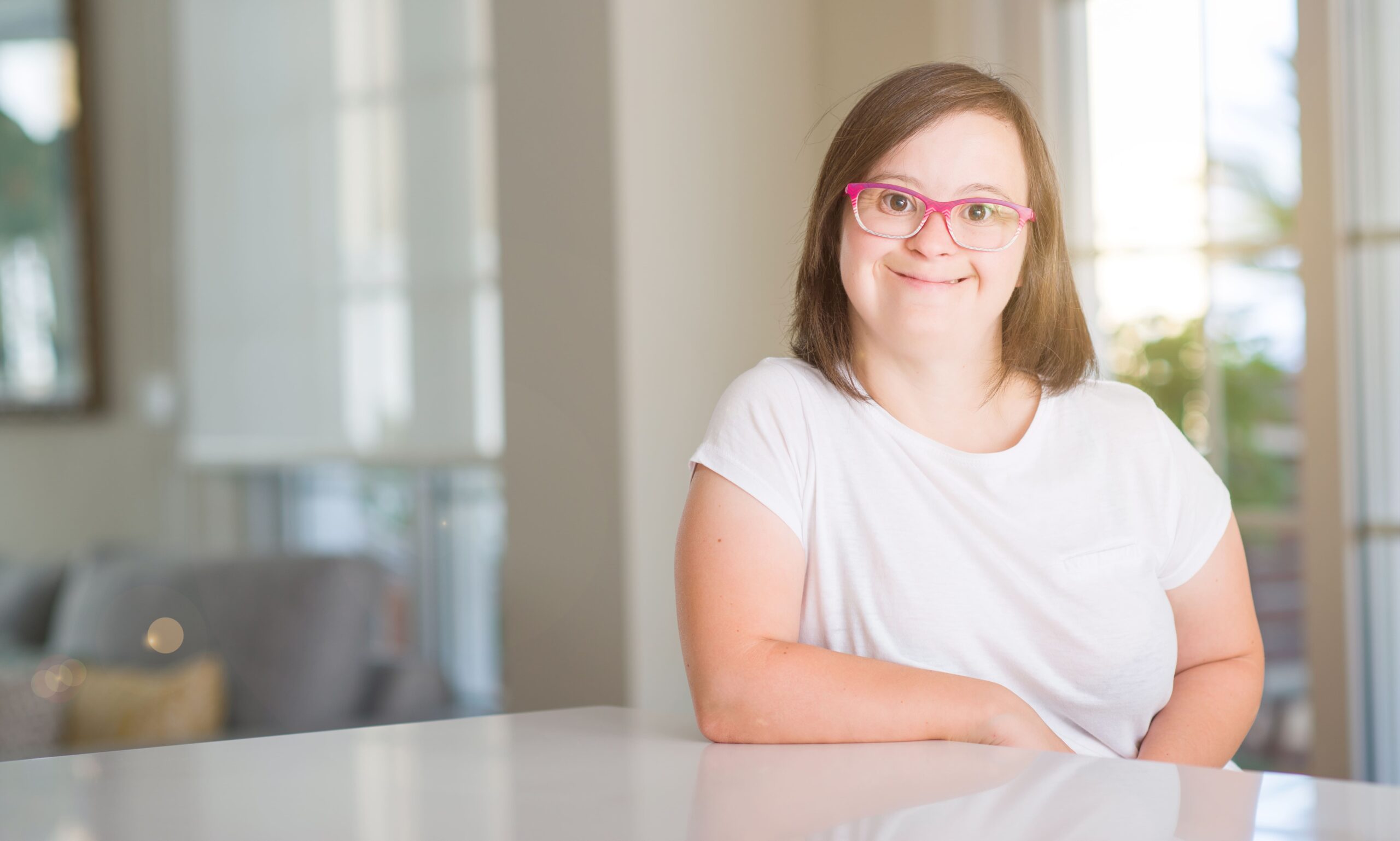
For some patients with a disability or sensory sensitivity, the problem is not the teeth. This isn’t nerves, and reassurance doesn’t touch it. The lights, the noise, the taste of the gloves and the feel of an instrument against the gum can be genuinely unbearable, and being asked to open, hold still and let a stranger work in their mouth is the part they cannot do. No amount of patience on our side changes that.
One of our patients is a five-year-old girl who is autistic. Her mum booked the first appointment with a request: no instruments, no cleaning, nothing in her mouth at all. The goal that day was for her to sit in the chair. When it came to her filling, her clean and her sealants, the family asked for all of it in one sleep rather than any of it awake.
IV Sedation vs General Anaesthetic: How We Decide
IV sedation or twilight sedation happens here, in our own chair. You’re deeply relaxed and breathing on your own, and most people remember very little of it afterwards. Local anaesthetic still does the numbing. You’ll need a trusted adult to drive you both ways, because we can’t discharge you into a taxi or a rideshare, and someone has to sign you out.
General anaesthesia happens in the hospital. An anaesthetist looks after you throughout, and they set your fasting instructions following the current ANZCA guideline. It’s a separate admission, and you’re fully unconscious.
What pushes the call one way or the other is usually the length of the appointment, how much of the work is surgical, and your medical history. That last one rarely decides whether you need sleep dentistry. It decides whether you can safely have it, and where it has to happen. One patient rang us wanting his upper teeth out while asleep and mentioned a stent and daily blood thinners in the same breath. Our answer wasn’t a booking date. It was that he needed a proper assessment first.
Medical Disclaimer
The information on this page is general in nature and is provided for educational purposes only. It is not medical or dental advice and should not be relied on as a substitute for a consultation with a qualified dental practitioner.
Let's Start With A Consultation First
We can’t tell you which of these four you are until we’ve had a proper conversation and assessed your situation. Some people come in certain they’ll need the hospital and leave with an appointment in the chair. Others find out the opposite. Either way, you’ll know what you’re in for before you agree to anything.