Can a Bone Graft and Implant Be Placed at the Same Time?
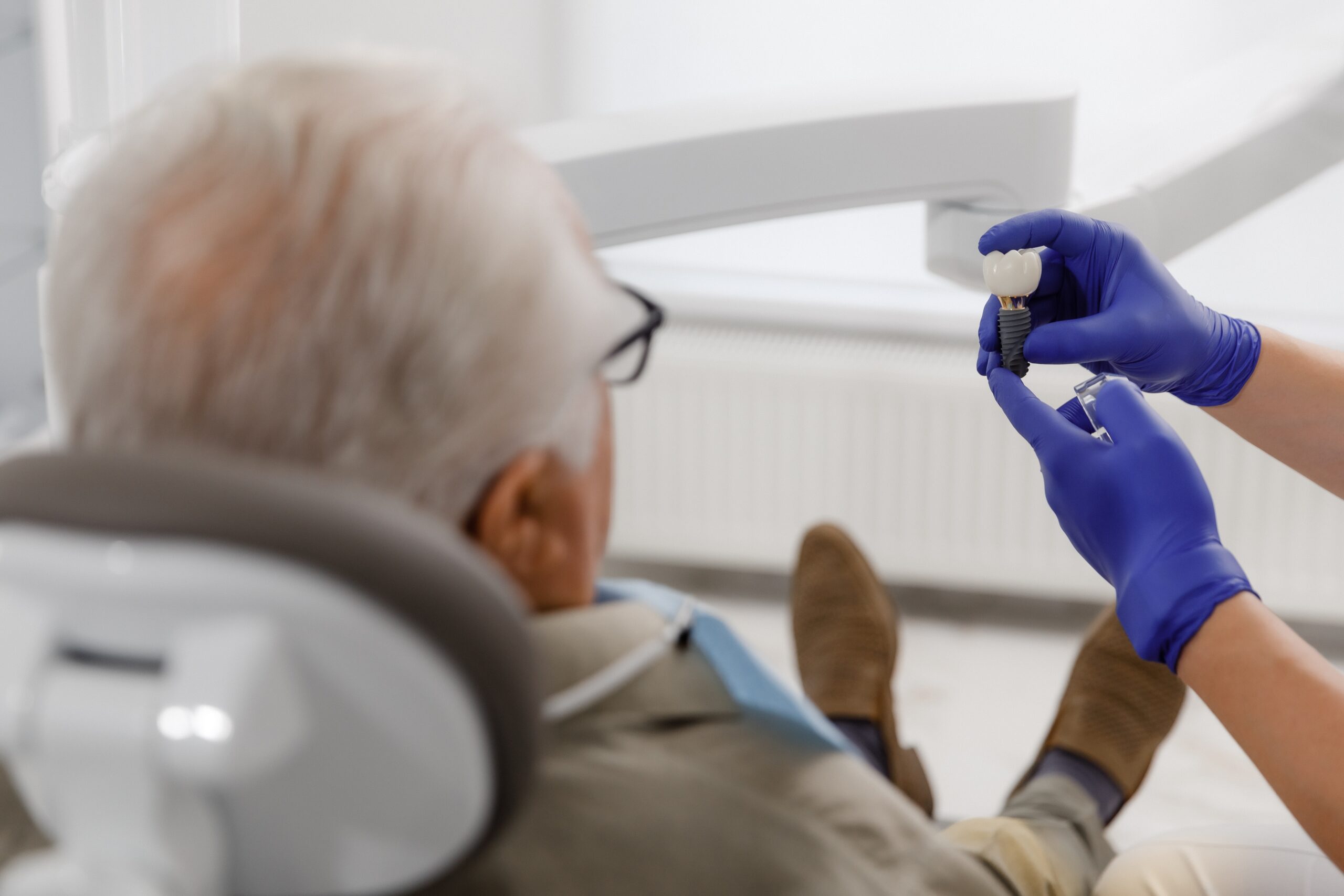
Over the past year, a number of our patients have had a bone graft placed in the same surgery as their dental implants Brisbane. Here’s how it usually goes: the scan shows the bone at the implant site is a little thin, or a little short, not quite enough to hold the implant the way we want. The alternative is two separate trips. Graft first, heal for months, then come back to place the implant. But when the conditions line up, our Brisbane Dentists decide to place a bone graft and implant at the same time, in a single appointment. To us, it’s a planned step. When the situation is right, doing both together often spares you a second surgery and a long stretch of extra healing. What follows is the straight version. When we can safely combine the two, when we’d rather stage them, and what the appointment actually feels like from your side of the chair.
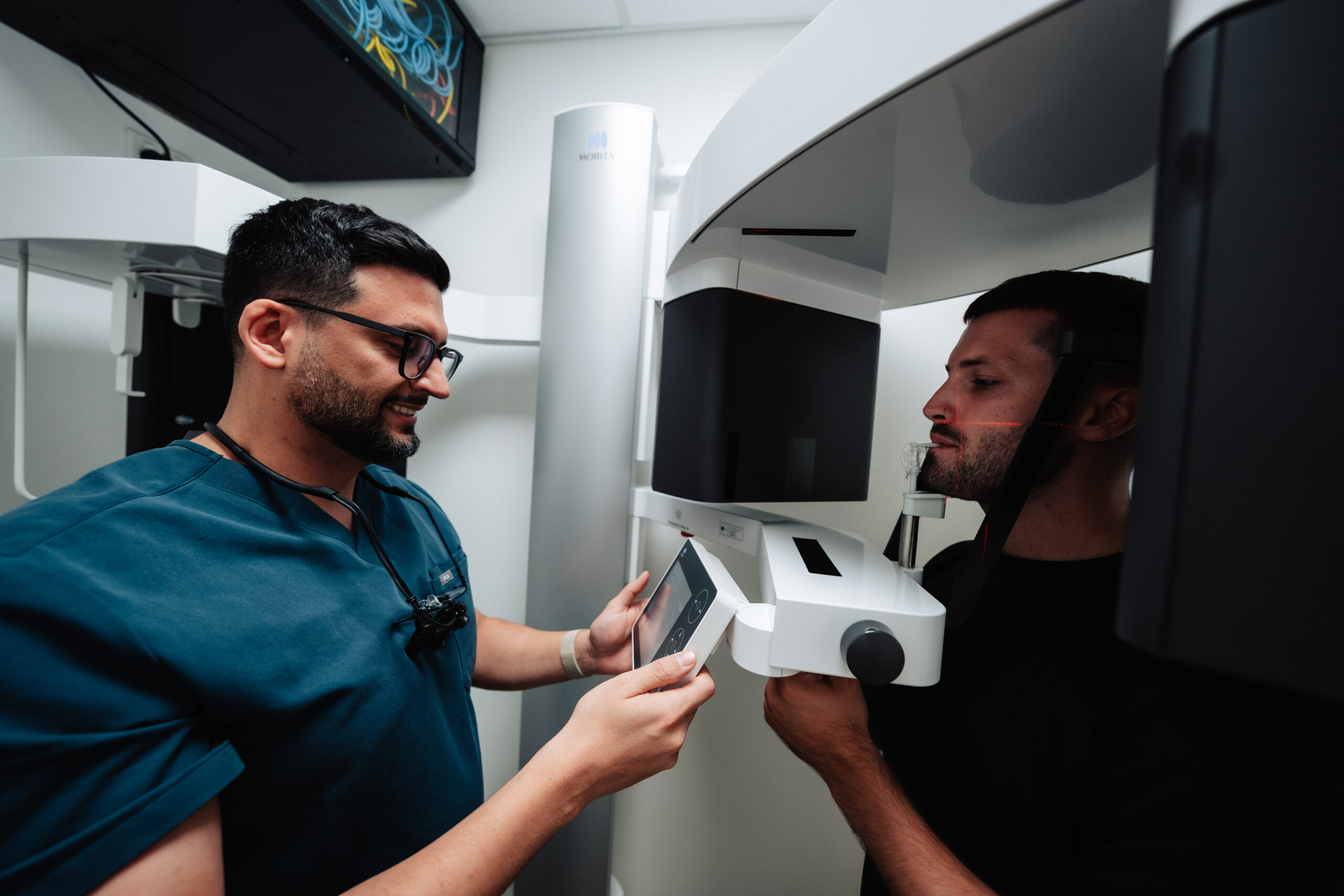
How We Decide If Both Can Safely Go In at Once
Whether a bone graft and implant can go in at the same time comes down to one main thing: whether the implant can stand firm on its own the moment we place it. If there’s enough of your own solid bone to hold it steady, the graft goes in around it in the same surgery. If there isn’t, we graft first and place the implant once it heals. A few things help us make that call:
Whether there’s firm bone to hold the implant steady: This is the big one. For both to happen together, the implant has to sit tight and solid the moment it goes in, gripped by your own bone. If there’s enough firm bone to hold it, we can pack the graft around it in the same visit. If the implant feels loose, we won’t push it. We usually graft first, let it set, and place the implant once there’s a steady base.
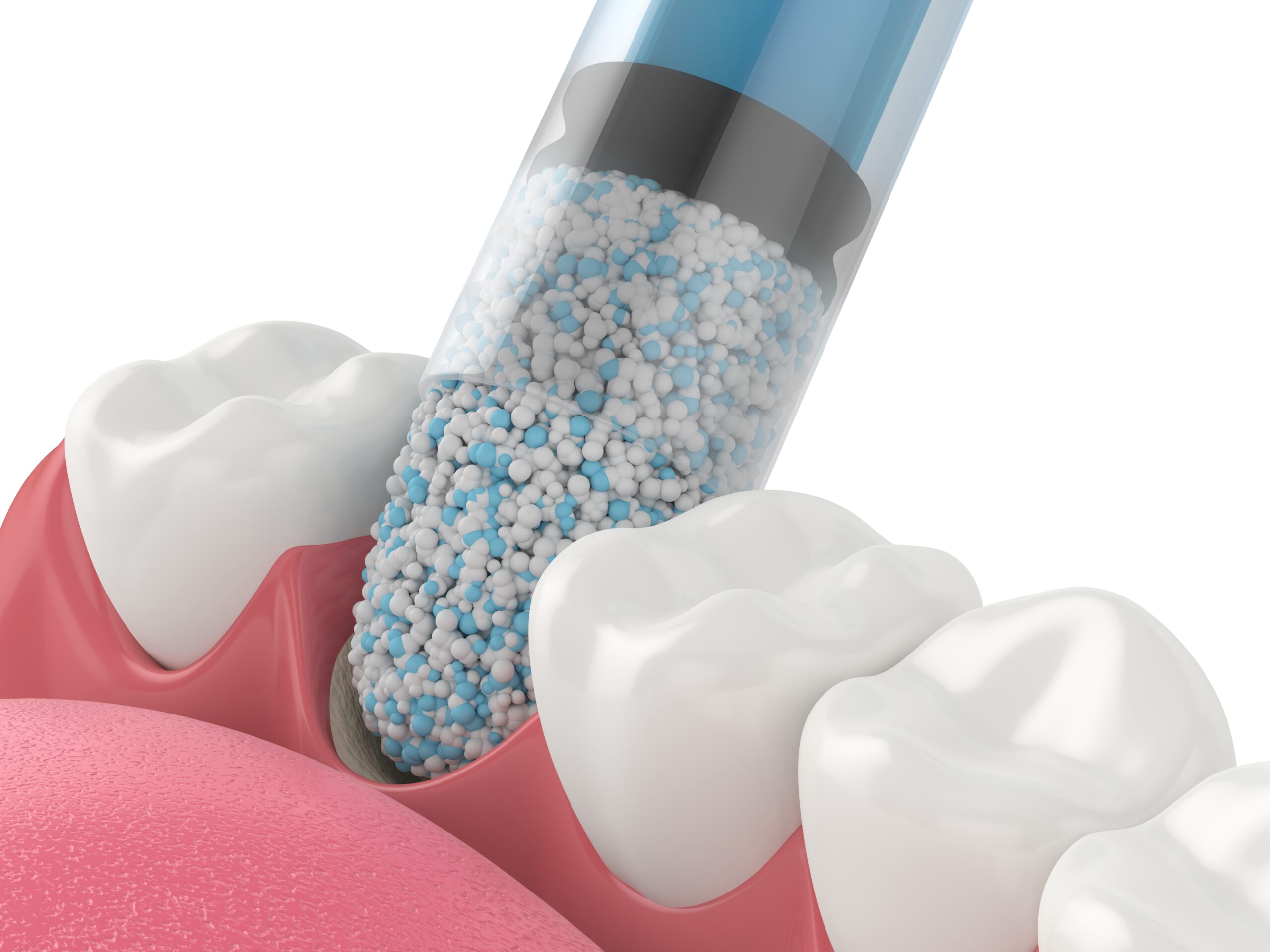
How big the missing patch of bone is: Think of the difference between filling a small chip and rebuilding a whole corner. A small gap next to an otherwise solid socket usually grafts well on the day, because the walls around it hold the new material in place while it heals. A large stretch of missing bone tends to do better as its own earlier step.
Whether the gum can close neatly over the top: A graft heals best tucked fully under the gum, sealed away from the mouth, a bit like a seed covered over with soil. When there’s enough healthy gum to close over the implant and graft cleanly, that points toward doing both at once. When the gum is thin or stretched tight, we may stage it instead.
Whether the area is free of infection: We don’t graft into an infected spot, full stop. If there’s an abscess or ongoing infection around the tooth, we clear it and let things settle first. A graft needs a clean, healthy site to take hold, so this one isn’t something we rush.
How well your body is set up to heal: A few things slow healing down, and smoking is the big one, along with poorly managed diabetes and some medications. None of these shut the door on their own. But they do change the odds, and now and then they tip us toward the safer, staged route. We’ll talk it through with you plainly either way.
When We Stage It Instead: Bone Graft First, Implant Later
Sometimes we decide it’s safer to build the bone first and place the implant later, usually a few months apart. Here are the main times we take the staged route:
When there isn’t enough bone to hold the implant steady: This is the usual reason. If there isn’t enough of your own firm bone to grip the implant the moment it goes in, placing it there and then would be a gamble. So we build the bone up first, let it set into a solid base over a few months, and place the implant once there’s something steady to hold it.
When the missing patch of bone is large: A big stretch of lost bone takes longer to rebuild, and it tends to heal better when that’s the only job we’re asking the site to do. Trying to do too much in one spot at once can work against you. Giving the graft its own run first often leads to a stronger result in the end.
When the gum can’t close cleanly over the top: A graft heals best fully tucked under the gum, sealed away from the mouth. If there isn’t enough healthy gum to close neatly over both the graft and an implant, we’d rather graft first, let the area heal and firm up, and place the implant later once the site can be closed over properly.
When there’s an infection or gum disease to clear first: We don’t place a graft or an implant into an infected or inflamed spot. If there’s an abscess or active gum disease around the area, we settle that first. Once the site is clean and healthy, the graft has a much better chance of taking hold, so this is one we’re never in a hurry with.
When healing is likely to be slower: Some things slow healing down, smoking most of all, along with poorly managed diabetes and a few medications. When we think healing might be a little slower, staging the two steps gives the bone time to prove it has set firmly before we rely on it to hold an implant. It’s the more cautious path, and now and then it’s the wiser one.
When we do stage it, the wait between the two steps is usually a few months, just long enough for the new bone to become a solid base. We’ll always talk you through why staging suits your situation, and roughly how long each part will take.
What a Combined Implant and Graft Appointment at Pure Dentistry Involves
If we’re placing the implant and the graft together, it runs much like a normal implant with the bone-building worked in along the way, all in one visit. Most of our patients would rather not be awake for implant surgery, so they choose to have it done under sleep dentistry in Brisbane through general anaesthesia or IV sedation. That means you’re either fully asleep or deeply relaxed while we work, and it’s all still the one visit. Here’s how it goes:
Choosing how you’ll be kept comfortable: Most people pick one of two options. IV sedation, sometimes called twilight sedation, uses medicine through a small drip to make you deeply relaxed and drowsy, so you drift through the appointment and tend to remember little or nothing. Sleep Dentistry Brisbane under a general anaesthetic means you’re fully asleep from start to finish. Either way, we also numb the area with local anaesthetic, and a trained anaesthetist looks after your sleep or sedation so we can focus on the dental work. Staying awake with just local anaesthetic and having a lighter conscious sedation like laughing gas is an option too, if that’s what you’d prefer.
Getting ready beforehand: If you’re having sedation or a general anaesthetic, you’ll be asked not to eat or drink for a few hours before your appointment. You’ll also need a friend or family member to drive you home and stay with you afterwards. It’s worth keeping the rest of the day free to rest.
Taking the tooth out first, if it’s still there: Sometimes the tooth is long gone, and we’re working with a healed gap. Other times, it’s still in place, and it comes out at the start, while you’re already asleep or sedated. In some cases, the implant and graft can go straight into the fresh socket.
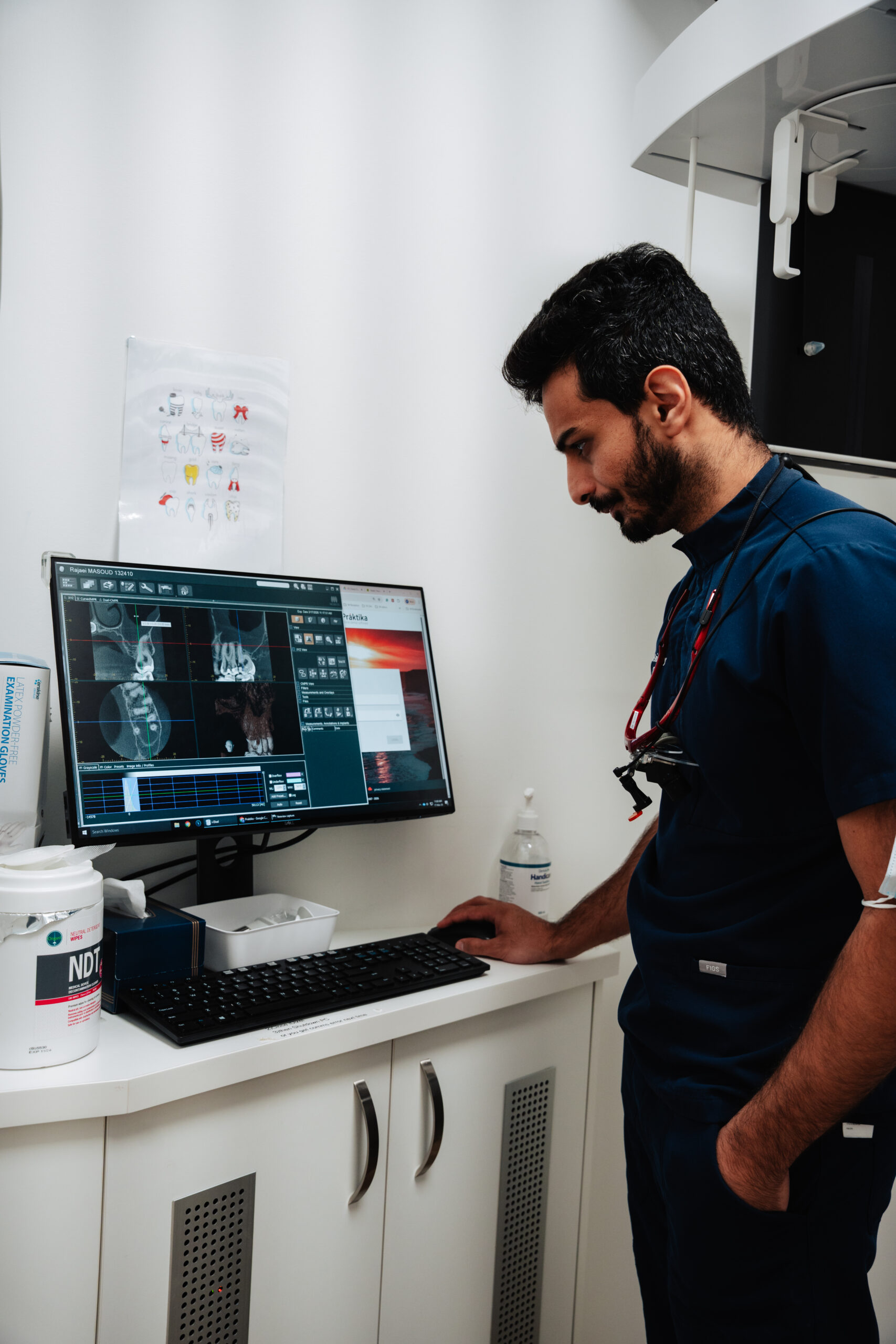
Getting a proper look at the bone: We make a small opening in the gum to reach the ridge underneath. That lets us see exactly what we’re working with and place everything accurately, instead of going off the scan alone.
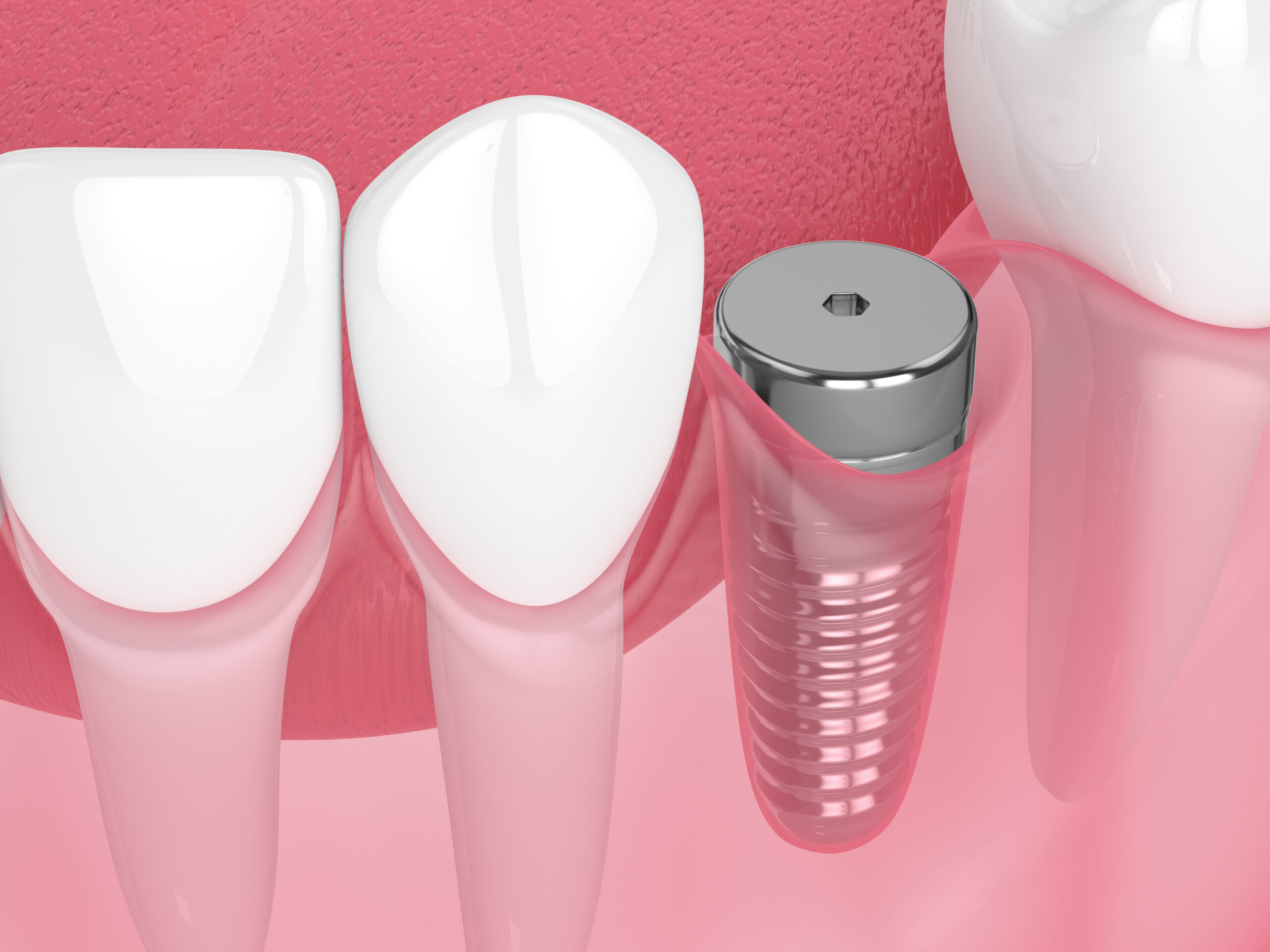
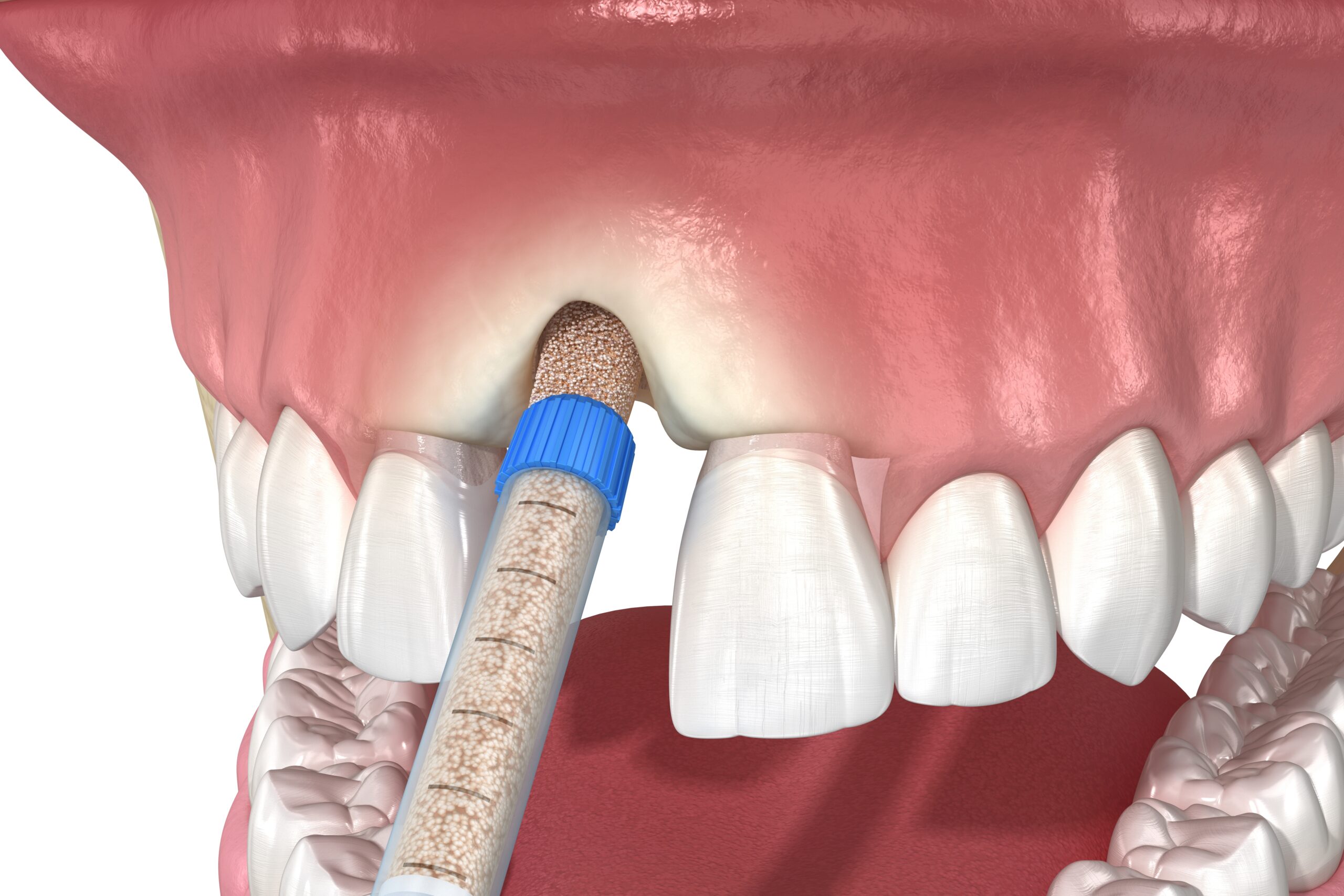
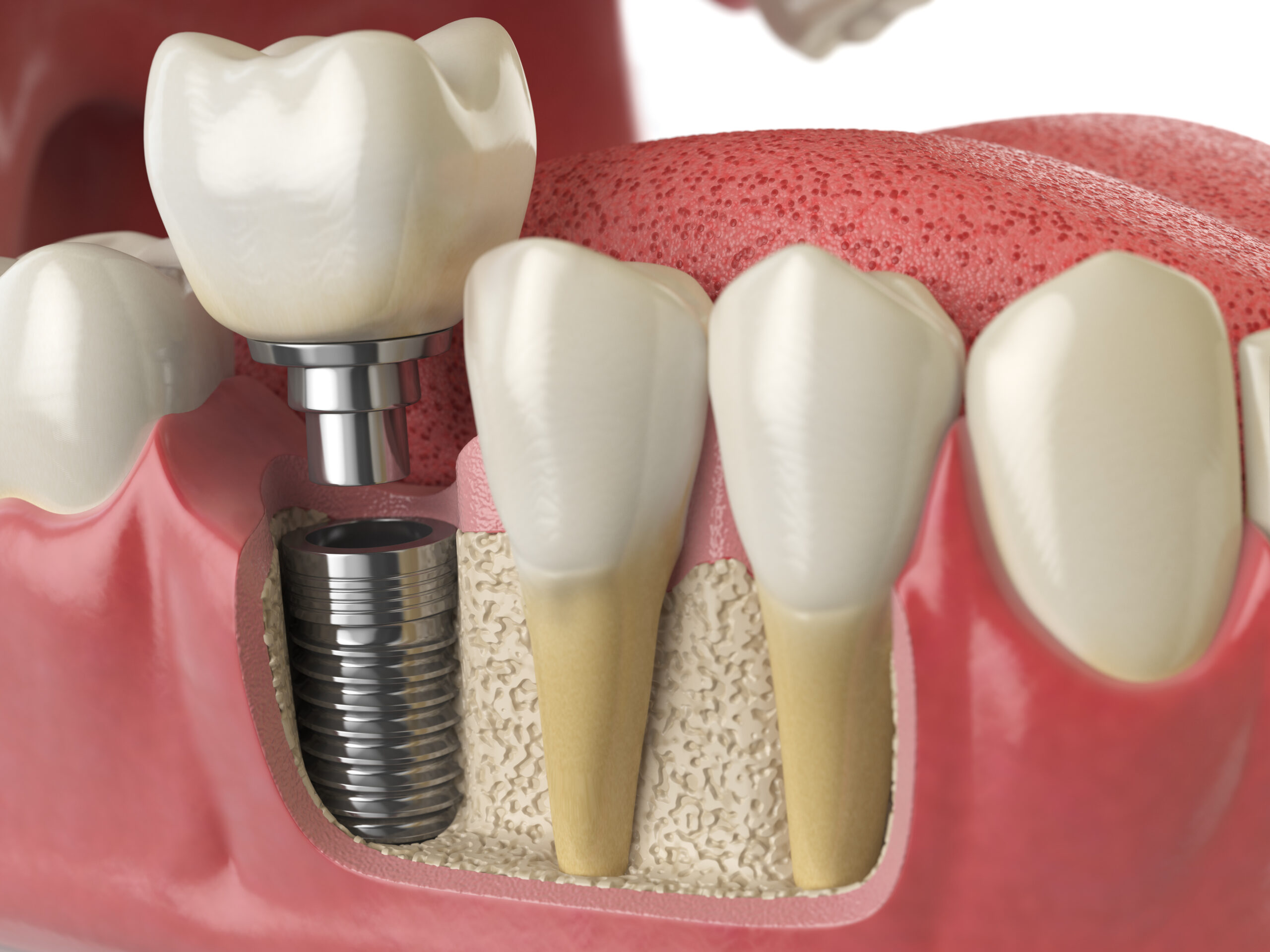
Placing the implant: We shape a narrow channel in the bone and set a small titanium post into it, positioning it so it holds firm and steady. That firm grip is the whole reason we’re able to build the bone at the same time.
Building the bone around it: The graft material fills the gaps around the implant, where the bone is thin or missing. We’ll often lay a thin protective cover over the top, a bit like a bandage for the bone, to hold it all in place while it slowly knits into your own bone over the following months.
Closing it over with stitches: We bring the gum back over and hold it with stitches, tucking the graft safely underneath. Some stitches dissolve on their own. Others come out at a quick review, a week or so later.
Coming round and heading home: You wake up with the whole thing already done. It’s normal to feel groggy or a little fuzzy for a while, so we keep an eye on you until you’re steady, and then your driver takes you home to rest.
Why an Implant Site Sometimes Comes Up Short on Bone
An implant needs enough solid bone around it to hold it in place, the way a fence post needs firm ground. A spot can end up short on bone for a few reasons: the bone faded away after a tooth was gone, gum disease wore it down, an old infection ate into it, a tricky tooth removal took some with it, or there was never quite enough there to begin with.
The Bone Fades Once a Tooth Is Gone
Here is something most people do not realise. The bone in your jaw only sticks around if it has a tooth to support. Once a tooth is gone, the bone that used to hold it has no job to do, so your body slowly takes it back. A fair bit of it goes in the first few months. And the longer the gap has been there, the less bone tends to be left. Someone who lost a tooth years ago usually has less to work with than someone who lost one recently.
Gum Disease Wore It Down First
Sometimes the bone was already disappearing well before the tooth came out. Bad gum disease slowly destroys the bone that holds your teeth in, and it often does it without any pain, so people do not catch it until things are loose. It is one of the main reasons adults lose teeth in the first place. By the time the tooth goes, a lot of the bone around it has often already gone with it.
An Old Infection Ate Into It
An infection that sat at the root of a tooth for a long time can eat a hole in the bone around it. This can happen quietly, sometimes with barely a twinge. So once the tooth is out, what is left behind can be a soft, hollowed-out spot where the infection was, instead of firm bone ready for an implant.
A Tricky Removal Took Some With It
Not every tooth comes out cleanly. Some have curved or stubborn roots, or are stuck fast to the bone, and getting them out, or a knock to the mouth from an accident, can take a bit of the bone with them. When that happens, the ridge left behind can be too thin to hold an implant on its own.
There Was Never Quite Enough There
Some spots are just tight on space naturally. Up the back of the top jaw, there is a hollow, air-filled space called the sinus, sitting right above where the roots were, and once those teeth are gone, it tends to sink down and leave less room. Lower down, there is a nerve running through the jaw that we have to stay clear of. And some people simply have a thin, narrow ridge from the start, not quite wide enough for an implant without building it up a little first.
Any one of these can leave a spot needing more bone before an implant will hold. That is where a graft comes in. And depending on the spot, it can sometimes go in during the same surgery as the implant.
The Cases Where We Placed a Bone Graft and Implant at the Same Time
Over the past year, several of our patients have had a bone graft placed in the same surgery as their implant. It tends to come up in one of three situations.
When It’s One Step In a Bigger Rebuild
Sometimes the graft and implant aren’t the whole job. They’re just one part of it. One of our patients had been getting several teeth sorted over a few months, a tooth out here, a root canal there, a crown, and by the time we reached the implant, it made sense to do the graft in the same visit instead of bringing them back again. Fewer appointments. One lot of healing instead of two. When someone is already partway through a bigger plan, doing both together often just fits.
When the Scan Tells Us Before We Start
Other times, we know before we even begin. The planning starts with a detailed 3D scan of the jaw, taken a few weeks ahead, and we map the implant out from there. If the bone at the spot looks thin, we build the graft into the plan from the start, so it’s all sorted, priced, and booked for the same appointment. One of our patients had a scan well before the day, and the implant was planned around it. When it came time to place the implant, the graft went in alongside it. Less guesswork on the day.
When We Only See the Full Picture Once We’ve Started
And then there are the times things change partway through. Bone can look fine on a scan and still surprise us once the old tooth is out and we can see the space it left behind. There’s less bone there than it seemed. A small gap sits next to the implant. Rather than stitch it up and bring you back for a second surgery, we’ll often place the graft right then, while everything is still open and the implant is going in. It isn’t a complication. It’s just us working with what we can actually see, in one visit.
How Long Does Healing Take When Both Are Done at Once?
The upside of doing both at once is that the graft heals while the implant does, so it usually doesn’t add months onto your recovery. The gum itself settles within a few days, and any stitches dissolve or come out in a week or two. The longer part happens quietly underneath, as the implant slowly fuses to your bone and the new bone knits in alongside it, over roughly three to six months. It’s often a bit quicker in the lower jaw and a little longer in the upper. You won’t be sore that whole time, though. Once the bone is solid and settled, we fit the permanent tooth on top.
How Often It Works, and the Risks We’re Upfront About
Placing an implant and a graft together has a strong track record. In carefully chosen cases, where the implant holds firm from the moment it goes in, it tends to work about as well as an implant placed in normal bone, and most implants go on to last many years with good care. Still, nothing in the mouth comes with a guarantee. Once in a while, a graft doesn’t fully take, an implant doesn’t fuse the way we’d hoped, or a site gets infected while it heals. These problems aren’t common, and they’re more likely if you smoke or have diabetes that isn’t well controlled, which is exactly why we go through your health and habits with you beforehand. If something doesn’t heal as planned, we deal with it, usually by letting the area settle and trying again once it’s ready.
Find Out if Both Suit Your Case
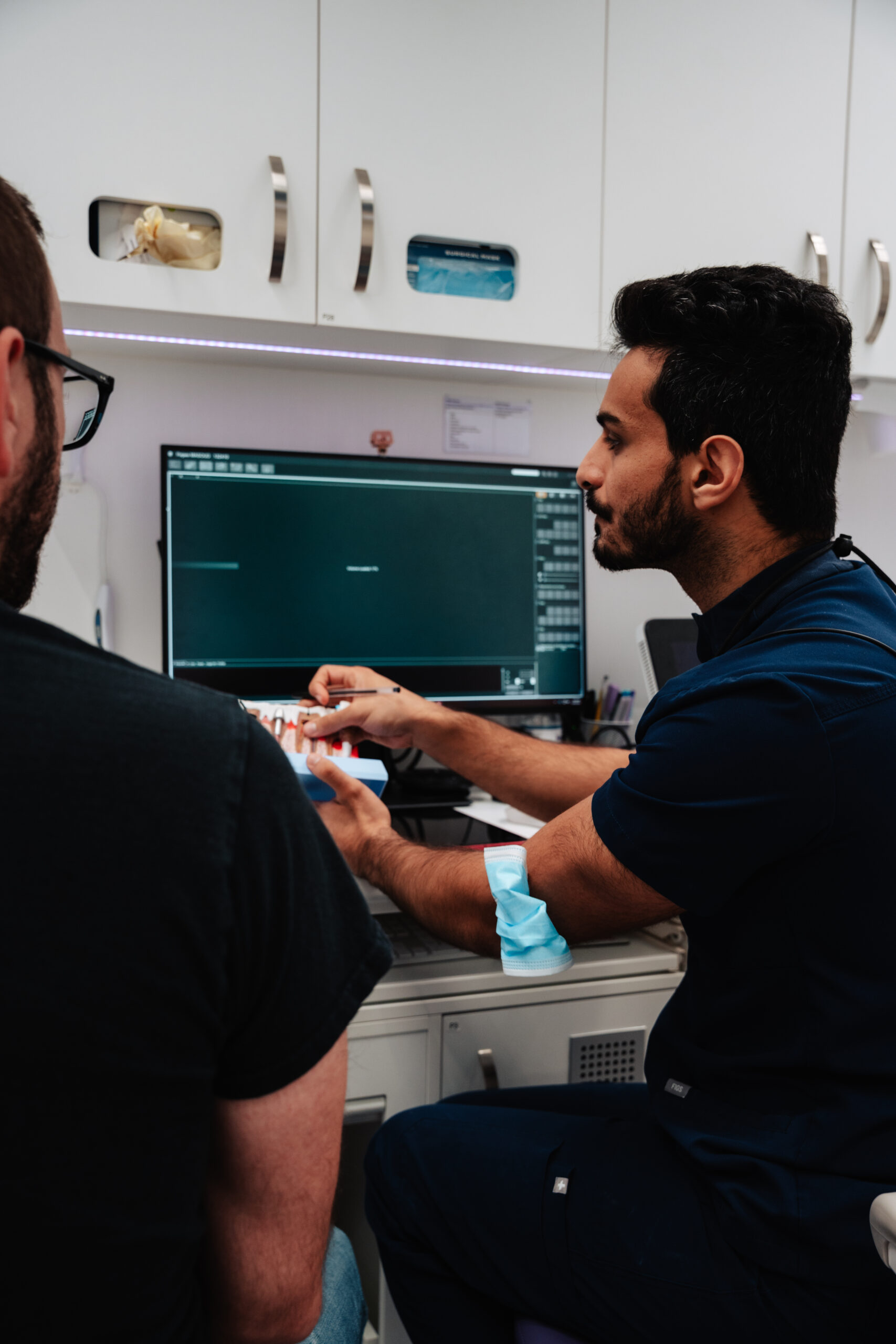
Whether a bone graft and an implant can go in together comes down to your own bone, and the only way to know is a proper look and a scan. Book a consultation, and we’ll assess the site, talk you through your options, and give you a straight answer with a written quote.
Location: Shop 11, 1932-1974 Logan Road, Upper Mt Gravatt, QLD 4122
Phone: 07 3343 4869
Phone: 07 3343 4869
11/1932–1974 Logan Rd, Upper Mt Gravatt, QLD 4122