Throbbing Toothache
How a Throbbing Toothache Feels Like
A throbbing toothache is an intense, pulsating pain that can feel like a relentless hammering inside your mouth. It’s as if your heartbeat has relocated to your tooth, each pulse amplifying the discomfort. The pain can be sharp and piercing or dull and persistent, often radiating to the jaw, ear, or even the head. It’s a relentless, distracting agony that can make it difficult to concentrate on anything else. Eating, drinking, and even breathing can exacerbate the pain, especially if the tooth is sensitive to temperature. The throbbing often worsens at night, making sleep elusive.
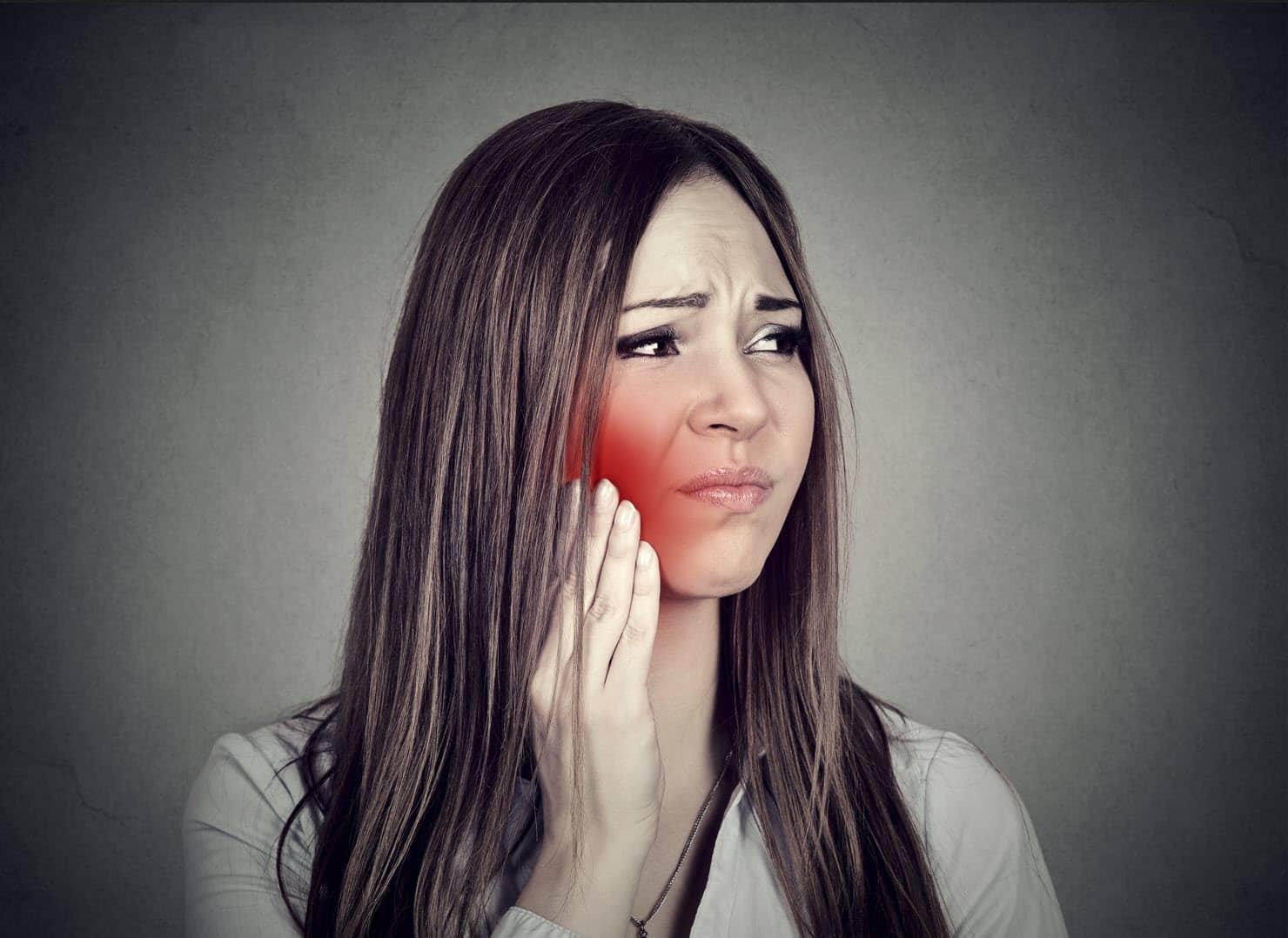
Common inquiries regarding throbbing toothache include its causes, home remedies, dental consultations, nighttime exacerbation, and potential severity.

What Causes a Throbbing Toothache?
The sensation of a throbbing toothache is often associated with the inflammation and increased blood flow that results from the following conditions:
Throbbing Pain Caused by Tooth Decay
When you have tooth decay, it starts with damage to the outer layer of your tooth, which is called the enamel. This happens because of bacteria in your mouth that eat sugars and produce acids that can weaken and damage this layer. At this point, you may not feel any pain because the enamel has no nerves. However, if the decay continues and reaches the next layer, called the dentin, you might start to feel discomfort. This is because the dentin is more sensitive, and it’s connected to the tooth’s nerves. If the decay continues even further and reaches the tooth’s pulp, which is the innermost part of the tooth where the nerves and blood vessels live, this is where things can get really painful. When the pulp gets infected and inflamed due to the bacteria and acids, it creates pressure inside your tooth because the pulp is in a closed, rigid space and can’t expand to relieve the inflammation. This pressure is what leads to the throbbing pain you feel. Also, there are specific pain-sensing nerve fibres in the pulp that respond to things like temperature changes, pressure, and chemicals produced by bacteria. When these nerve fibres are stimulated, they send signals to your brain that are perceived as pain.
Throbbing Pain Caused by Dental Abscess
A dental abscess is a pus-filled pocket caused by a bacterial infection. This can happen if bacteria get inside your tooth or gums, usually through a cavity, a cracked tooth, or gum disease. When these bacteria start to multiply inside your tooth, your immune system responds, and this causes the inside of your tooth to become inflamed. If the infection isn’t treated quickly, the bacteria can cause the tissue inside your tooth to die, creating an abscess. The abscess is stuck in a confined space in your tooth or the bone around your tooth, and as it gets bigger, it creates pressure. This pressure is one of the things that can cause pain. Your body also responds to bacterial infection with inflammation, which is a process that increases blood flow to the area. This can cause swelling and throbbing pain. Plus, your body releases certain chemicals during inflammation that not only cause swelling but also directly contribute to pain. The pressure and inflammation stimulate your pain nerves, which send signals to your brain that you’re feeling pain. The throbbing nature of the pain is likely due to the rhythmic flow of the blood coupled with the pressure from the abscess. Sometimes, the pain from an abscess can feel like it’s coming from a different place than it actually is. For instance, an abscess in a lower tooth might cause pain that feels like it’s in your ear.
Throbbing Pain Caused by Gum Disease
Gum disease, or periodontal disease, is when your gums and the tissue around your teeth get inflamed and infected by bacteria. This usually starts with dental plaque, which is a sticky layer of bacteria and sugars that forms on your teeth. Here’s how it leads to throbbing pain:
Gum Irritation and Early Gum Disease (Gingivitis)
If you don’t clean off the plaque, it irritates your gums. This makes them red, swollen, and easy to bleed. This is the first stage of gum disease, called gingivitis. You can reverse gingivitis with good brushing, flossing, and professional cleanings.
Advanced Gum Disease (Periodontitis) and “Pockets”
If gingivitis is left untreated, it can turn into periodontitis. This causes your gums to pull away from your teeth and form spaces known as “pockets.” These pockets trap more plaque you can’t clean out with regular brushing, allowing more bacteria to grow.
Immune Response and Tissue Breakdown
Your body fights off the bacteria by sending in your immune system. But this immune response also breaks down the supporting structures of your teeth, including ligaments and bone.
Pain
As the disease worsens, it can expose your tooth root, which is more sensitive and can cause discomfort and throbbing pain. The bacteria and your body’s response to them can stimulate pain receptors in your gums, which sends pain signals to your brain.
Tooth Movement and Loss
As the disease progresses, the destruction of ligaments and bones can make your teeth loose. If not taken care of, this can eventually lead to tooth loss, causing more pain and discomfort. Gum disease can lead to throbbing pain because bacteria irritate your gums, and your body’s response to fight off the bacteria also harms the supporting structures of your teeth.
Throbbing Pain Caused by a Cracked Tooth
Crack in the Tooth
When you have a cracked tooth, the inside part of the tooth (called the dentin) can become exposed. This part of the tooth is directly linked to the tooth’s nerves, which are located in the centre of the tooth. Nerve Irritation If the dentin is exposed, things like hot or cold drinks or sweet or sour foods can irritate the nerves, causing sharp pain.
Hidden Cracks and Biting Pain
Sometimes, the crack might be too small to see or hidden under the gum. This can still cause pain when you bite down or release the bite as the crack opens and closes, which irritates the nerves inside the tooth.
Inflammation and Throbbing Pain
If the nerves keep getting irritated, they can become inflamed. This inflammation, which happens inside the solid structure of the tooth, can cause pressure and a throbbing type of pain.
Infection and Abscess
If the inflammation isn’t treated, the nerve tissue can die, and bacteria can cause an infection and a pus-filled pocket (an abscess). The abscess creates pressure on the surrounding tissues, causing intense throbbing pain.
Pain Synced with Your Pulse
The throbbing pain you feel can be in time with your pulse. This is because the inflamed area has extra blood flow, and the pain signals get sent to your brain along with each pulse. So, in simpler terms, a cracked tooth can lead to throbbing pain because the crack exposes the inside of the tooth to irritants, causes nerve inflammation, and can lead to infection and abscess if not treated. Regular dental check-ups and good oral care can help prevent this. If you have a cracked tooth, emergency dentists in Brisbane can fix it with treatments like fillings, dental crowns, or sometimes a root canal.
Throbbing Pain Caused by a Damaged Filling
Fillings Are Like Shields
Dental fillings are like shields. They protect the inside of your tooth after a cavity has been cleaned out. If the filling gets damaged or falls out, the shield is gone. The inside of the tooth is now exposed.
Sensitive Inner Tooth
The inside of the tooth comprises a layer called dentin, which leads to the tooth’s core (the pulp), where the nerves are. When the dentin is exposed, it can let things like cold, hot, sweet, or sour foods and drinks reach the nerves and cause sharp pain.
Toothache and Constant Pain
If the nerves keep getting irritated, they can become inflamed, and this inflammation can cause a constant, throbbing type of pain. This is called pulpitis.
Infection and Intense Pain
If the inflammation is not treated, bacteria can invade the pulp, cause an infection, and a pus-filled pocket (an abscess) can form. The abscess creates pressure on the surrounding tissues and causes intense throbbing pain.
Pain in Sync with Your Heartbeat
The throbbing pain you feel can be in time with your heartbeat. This is because the inflamed area has extra blood flow, and the pain signals get sent to your brain with each heartbeat. In simpler terms, a damaged filling can lead to throbbing pain because it leaves the inside of the tooth exposed to irritants, causes nerve inflammation, and can lead to infection and abscess if not treated. If you notice a damaged or lost filling, it’s best to contact your dentist (or Paediatric dentist for Children) immediately. They can fix it with a new filling, a crown, or sometimes a root canal treatment.
Throbbing Pain Caused by Sinusitis
Swelling
When your sinuses, the spaces behind your face that produce mucus, are irritated or infected, they become swollen and make more mucus. This swelling can push on other parts of your face and head and cause pain.
Blocked Drainage
Your sinuses are normally empty mucus into your nose, but when they’re swollen, this drainage gets blocked. The mucus build-up can increase pressure in your sinuses, leading to throbbing pain.
Shared Nerves
The same nerves that help you feel your face and the front of your head also reach your sinuses. When your sinuses are inflamed, these nerves can signal pain in other areas they reach, like your upper teeth. This can feel like a toothache.
Pressure Changes
Actions like bending over, coughing, or sneezing can increase the pressure in your sinuses, making the throbbing pain worse.
Inflammation Triggers
When your sinuses are inflamed, your body releases chemicals that make your pain receptors (the parts of your nerves that signal pain) more sensitive, making the pain feel worse.
Widening Blood Vessels
Inflammation also makes your blood vessels widen, increasing blood flow and pressure in your sinuses. The changes in pressure can contribute to the throbbing pain. So, sinusitis can cause throbbing pain due to the combination of swelling, blocked drainage, shared nerves, changes in pressure, and the release of chemicals that increase pain sensitivity. Treatment usually involves tackling the root cause (like fighting off an infection or controlling allergies), reducing swelling, and managing the pain.
Throbbing Pain Caused by Temporomandibular Joint Disorders (TMD)
- Swelling: Temporomandibular Joint Disorder (TMD) can cause swelling in and around the jaw joint, which can irritate nerves and result in throbbing pain.
- Misplaced Cushion: Your jaw joint has a cushioning disc. If it gets out of place, it can cause irregular joint movement, leading to discomfort and throbbing pain.
- Muscle Tightness: TMD can cause the muscles around your jaw to tighten or spasm, which can cause throbbing pain.
- Wear and Tear: Sometimes, TMD can be associated with wear and tear, similar to the wear and tear in other joints that can happen with age (osteoarthritis). As the joint wears down, you might feel throbbing pain as bones rub together.
- Nerve Pain: Damage to the nerve that gives feeling to your face and jaw can result in a throbbing or burning type of pain.
- Shared Pain: TMD pain can sometimes be felt in areas other than your jaw due to shared nerve pathways. This means that you may feel pain in your ears, neck, or teeth due to problems with your jaw.
- Increased Blood Flow: Your automatic nervous system controls functions like blood flow without you thinking about it. If this system is overactive, it can change the blood flow and pressure in and around your jaw, contributing to the throbbing pain.
So, the throbbing pain you might feel with TMD can come from several sources: swelling, misplaced joint cushion, muscle tightness, wear and tear of the joint, nerve pain, pain felt in other areas, and changes in blood flow. Treatment usually involves reducing swelling, managing pain, improving joint movement, and addressing any underlying causes.
Throbbing Pain Caused by Pulpitis
Pulpitis is when the inside of your tooth gets inflamed, causing pain. Think of the tooth’s inner core, the “pulp,” as a small room filled with nerves and blood vessels, all surrounded by hard walls.
Swelling and Pressure
When pulpitis happens, this small room swells up, just like how your ankle might swell after a sprain. But unlike your ankle, the swelling inside your tooth has nowhere to go because those hard walls surround it. This causes a lot of pressure on the nerves and blood vessels, which results in pain.
Pain Signals
When the pulp gets inflamed, it releases chemicals that are like little alarms. These alarms signal your nerves, telling them something is wrong, which we perceive as pain.
Cut-off Blood Supply
Sometimes, the swelling can get so bad that it presses on the blood vessels, cutting off the blood supply to the pulp. This is like stepping on a garden hose, stopping the water flow. This lack of blood can kill the pulp tissue, which causes even more pain.
Throbbing Pain
The throbbing pain is similar to feeling your heartbeat in your tooth. Because the inflamed pulp is so sensitive, every pulse of blood going through your tooth can feel like a beat of pain. In essence, pulpitis can cause a lot of pain because the inflammation leads to pressure build-up, the release of “pain alarms,” and potentially cutting off the blood supply, which can kill the pulp tissue. It’s important to get this treated right away to stop the pain and save the tooth.

Dental treatments for relieving throbbing toothache
- Tooth Decay: You might have a cavity that has gotten deep enough to irritate the tooth’s nerve, causing pain.
- Cracked Tooth: Sometimes a tooth might be cracked in a way you can’t see. When you chew, this can cause pain.
- Gum Disease: In its early stages, gum disease might cause pain when you eat or brush your teeth.
- Jaw Joint Issue (TMD): This condition can cause pain that feels like it’s coming from your teeth.
- Inflamed Tooth Pulp (Pulpitis): The inner part of your tooth, called the pulp, might be inflamed and cause pain from time to time.
- Sinusitis: An infection in your sinuses can make your upper teeth hurt, and this pain can come and go.
- Teeth Grinding (Bruxism): If you grind or clench your teeth, often when you’re sleeping, this can cause your teeth to hurt sometimes.
- Nerve Condition (Neuralgia): Rarely, a condition affecting the nerves in your face (like trigeminal neuralgia) can cause sharp, on-and-off pain in your teeth.
Anytime you have tooth pain that keeps coming back, it’s important to see a dentist. They can figure out what’s causing your pain and help you treat it, so you can feel better and avoid any more serious problems.
- Throbbing tooth pain is often a sign of an underlying issue, so it’s crucial to see a dentist to identify and treat the root cause. While waiting for your dental appointment, there are several steps you can take to alleviate the pain:
- Over-the-Counter Pain Relievers: Non-prescription pain medications, such as ibuprofen, can help to manage the pain. Follow the instructions on the package for dosage.
- Topical Numbing Gels: These can be applied directly to the affected area. They contain substances like benzocaine that can numb the area temporarily.
- Cold Compress or Ice Pack: Applying this to the outside of your cheek can help reduce inflammation and numb the area, which can reduce the sensation of pain. Do not apply ice directly to the tooth.
- Saltwater Rinse: Warm salt water acts as a natural disinfectant and can help dislodge any food particles or debris stuck between your teeth. This can help reduce inflammation and heal any oral wounds.
- Clove Oil: This natural remedy has numbing properties. A small amount of clove oil applied to a cotton ball and then to the painful area can provide temporary relief.
Remember, these remedies are not permanent solutions and are designed to provide temporary relief until you can see your dentist. If your toothache is accompanied by fever, difficulty breathing or swallowing, or swelling around the face or cheek, you should seek emergency medical attention as these are signs of a more serious infection. After examining your teeth, your dentist may recommend a range of treatments depending on the cause of your pain:
- Filling, Crown, or Inlay: If you have a cavity or a broken tooth, your dentist may repair it with one of these treatments.
- Root Canal Treatment: If decay has reached the tooth pulp, a root canal may be necessary to remove the infected pulp and save the tooth.
- Extraction: If the tooth is severely damaged and can’t be saved, it may need to be extracted.
- Gum Disease Treatment: If gum disease is causing your toothache, a deep cleaning, medication, or in severe cases, surgery may be needed.
- Nightguard: If grinding is causing your toothache, your dentist may recommend a nightguard to protect your teeth while you sleep.
Remember to follow a good oral hygiene regimen, including brushing twice a day and flossing once a day, to prevent dental problems that can cause toothaches.
- Tooth Decay or Bad Infection (Abscess): This starts as sudden, sharp pain when you eat or drink something hot, cold, or sweet. If it gets worse, the pain can be constant and pounding. If it’s an infection, it can really hurt and won’t stop until a dentist treats it.
- Gum Disease: This can cause a steady, mild ache and sensitivity in your gums.
- Sinus Infection (Sinusitis): This can lead to pain in the upper part of your mouth that can come and go as you move your head or experience changes in sinus pressure.
- Jaw Disorder (TMD): This pain can come and go or be ongoing, and is often connected to movements of your jaw or stress. It might involve not just your tooth, but also your jaw and face muscles.
- Pulpitis (Inflammation Inside the Tooth): This can result in constant, often pounding pain.
- Cracked Tooth or Filling: This can cause sharp pain when you bite down, which stops when you’re not putting pressure on the tooth.
- Impacted Wisdom Tooth (Stuck Tooth): This can lead to pain that comes and goes or is constant and may get worse over time.
Keep in mind these are just typical examples. Everyone’s pain is different. If you’re hurting, it’s always a good idea to see a dentist to figure out what’s wrong and how to fix it.
- Nitrous Oxide (Happy Gas): Nitrous oxide, or laughing gas, can be used to reduce anxiety and promote relaxation during dental procedures, particularly for children or adults with mild anxiety levels.
- Oral Sedation: Patients are given medication to take before their appointment to help them relax.
- IV Sedation: This is a deeper level of sedation where medication is delivered via a vein. The patient is awake but very relaxed and may not remember the procedure afterwards.
- General Anesthesia: For extremely anxious patients or complex procedures, general anesthesia may be used. The patient is completely unconscious and sleeps during the procedure. For more information about sleep dentistry in Brisbane, see Brisbane Dental Sleep Clinic.