Family History
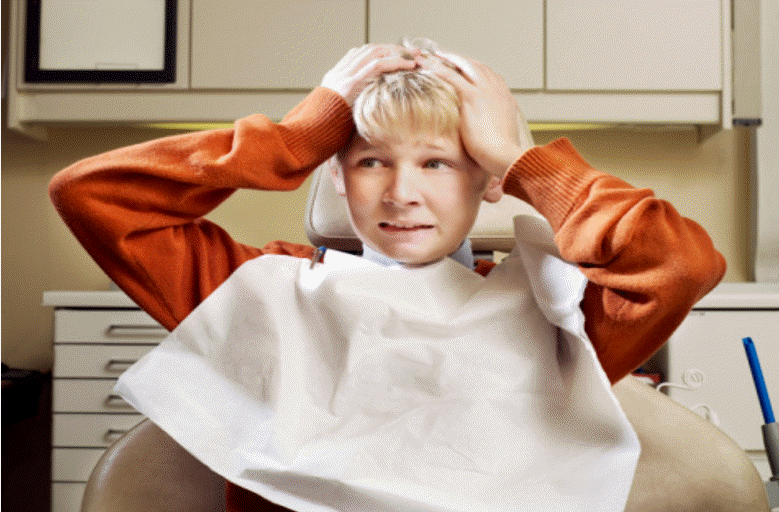
- If you have a family history of dental phobia or anxiety, you may have an increased risk of developing a fear of the dentist. Some research suggests that genetics may play a role in developing phobias, including dental phobia. Additionally, if you grew up hearing negative stories or experiences related to dental visits from family members, you may have learned to associate dental sessions with fear and anxiety.
However, it’s important to note that having a family history of dental anxiety doesn’t necessarily mean that you will develop the same condition. Many people with a family history of dental anxiety can overcome their fears and have positive dental experiences. If you are concerned about your risk of developing dental anxiety, you may want to talk to a mental health professional or dentist who specialises in treating dental anxiety. They can guide and support you to overcome fears or concerns.
Personal Space Fear
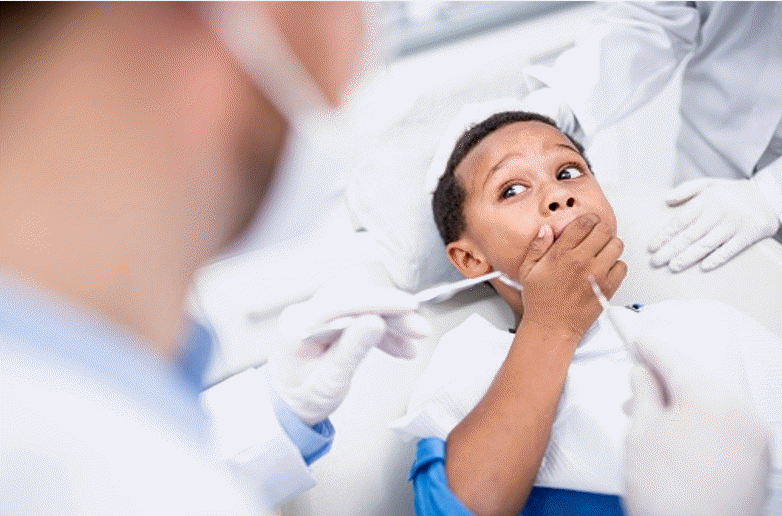
- Personal space fear or invasion, as patients may feel uncomfortable with the physical closeness of the dentist and dental assistants in the dental chair. Personal space refers to the area around an individual they consider their own. When this personal space is violated, it can lead to feelings of anxiety, discomfort, and fear.
- Patients may feel their personal space is being compromised in the dental office. During an appointment, they may feel vulnerable as they lie down on the dental chair and have dental tools inserted into their mouth. This vulnerability can be amplified if the patient perceives the dental hygienist or dentist as too close or invading their personal space.
- Additionally, the treatment room may be small, enclosed, and unfamiliar to the patient, which can also contribute to a feeling of claustrophobia and anxiety. In some cases, patients may also have experienced a traumatic event related to dental care, further exacerbating their anxiety and fear of dental treatment.
These factors can contribute to dental phobia or dental anxiety, making it difficult for individuals to seek dental care. In severe cases, this fear can lead to avoidance of dental treatment altogether, which can result in further dental issues and health complications.
How Can I Best Learn to Cope with Dentophobia During a Dental Visit?
Fortunately, there are several strategies to manage patients with dental anxiety, like relaxation techniques, cognitive-behavioural therapy, sedation dentistry such as laughing gas, and communication with your dentist or dental provider about your fears and concerns.
Cognitive Behavioural Therapy (CBT): This therapy helps people identify negative thoughts and beliefs about dental treatments and replace them with positive ones. It can also help people learn coping strategies for anxiety and stress. Cognitive-behavioural therapy (CBT) is a talk therapy commonly used to help individuals suffering from anxiety disorders. This therapy identifies and changes negative thought patterns and behaviours contributing to anxiety. CBT can be an effective treatment for dental fear or anxiety because it helps patients to address their negative thoughts and emotions related to dental treatments. Some specific ways in which CBT can help with dental fear or anxiety include:
- Identifying negative thoughts: CBT can help patients identify their negative thoughts about dental treatments. These thoughts may include beliefs such as “I’m going to experience unbearable pain” or “I’m going to choke on the dental instruments.” Identifying and examining these thoughts can help patients understand that they are not necessarily true and can be challenged.
- Challenging negative thoughts: Once negative thoughts have been identified, CBT can help patients challenge these thoughts. Patients can learn to replace negative thoughts with more realistic and positive thoughts, such as “I can manage any discomfort” or “The dentist is highly trained and will take care of me.”
- Learning coping skills: CBT can teach patients coping skills to help manage anxiety during dental procedures. These skills may include relaxation techniques, breathing exercises, and mindfulness meditation.
- Gradual exposure: CBT can also help patients gradually expose themselves to the dental procedures they fear. Patients may start by visiting the dental office without treatment and gradually work up to more invasive procedures.
CBT can be a highly effective treatment for dental fear or anxiety. By helping patients to identify and challenge their negative thoughts, learn coping skills, and gradually expose themselves to dental procedures, CBT can help anxious patients to manage their anxiety and receive the oral care they need.
Exposure Therapy: This therapy gradually exposes a person to the feared environment in a controlled and safe manner, helping them build resilience and overcome their phobia. Exposure therapy can help with dental anxiety or fear of dentists by gradually exposing the individual to feared dental stimuli in a controlled and safe environment. This process helps the individual learn that their feared outcomes do not occur and they can tolerate the experience without the expected negative consequences. The exposure can be gradual, starting with less anxiety-provoking stimuli and progressing to more challenging situations as the individual becomes more comfortable. Additionally, the therapist may use cognitive-behavioural techniques to help the individual challenge and reframe their negative thoughts and beliefs about dental health procedures, which can further reduce their anxiety. Exposure therapy can help individuals develop coping skills and increase their confidence in managing their dental anxiety or fear.
Poor Oral Health
- Patients with poor oral health may feel ashamed or embarrassed about the appearance of their teeth and gums, causing them to avoid going to the dentist. Having unhealthy teeth and gums can lead to anxiety about a dental visit and the possibility of being judged by the dentist or dental staff.
Fear of the Loss of Control
- Fear of losing control can significantly contribute to dental phobia or dental anxiety. For many people, the fear of losing control is linked to the fear of pain or discomfort during dental sessions. They may worry that the dentist will perform a procedure without their consent or that they will not be able to communicate effectively during the procedure. This loss of control can cause significant distress and anxiety, making a dental visit unbearable.
A Fear of the Unknown
- Many people experience anxiety when encountering situations or experiences they are unfamiliar with or uncertain about. This is especially true when it comes to dental treatments, which can involve a lot of unfamiliar sensations, noises, and equipment.
- For example, someone who has never had a dental treatment before may feel anxious about not knowing what to expect. Some people may worry about how it will feel, how long it will take, and whether it will be painful. They may also feel uncertain about what the dentist will do or say and how they will respond.
- In addition, dental treatments can be unpredictable. Even if someone has had a procedure before, they might still feel anxious if they don’t know what will happen during the appointment. Some patients may worry about unexpected complications or the inability to communicate effectively with the dentist if something goes wrong during their procedure.
Fear of Dental Setting
- Fear of the dentist’s chair, dental equipment and instruments, such as drills, can be associated with discomfort or pain.
Negative Media Influence
- Negative portrayals of dentists in the media may contribute to dental fears.
Financial Stress
- Dental treatment can be expensive, and the fear of the cost of treatment can cause financial stress, especially for those without dental insurance or limited coverage. This financial stress can worsen anxiety or fear, making a dental visit even more daunting.
Abuse Generalised Anxiety
- Anxiety disorders or other mental health conditions, such as depression or generalised anxiety disorder, can contribute to dental fears or dental anxiety. Abuse generalised anxiety refers to a type of anxiety that arises from experiencing abuse or trauma. When someone goes through a traumatic experience, their brain can develop a heightened sense of fear and anxiety to protect themselves from future harm. This can lead to generalised anxiety, a persistent and excessive worry about many things.
- Now, how does this relate to dental phobia or dental anxiety? Well, for some people who have experienced abuse or trauma, going to the dentist can trigger anxiety and fear. The sounds, smells, and sensations associated with dental treatments can be similar to the ones they experienced during their traumatic event, and this can cause their anxiety to spike.
- In addition, people with generalised abuse anxiety may tend to catastrophise or imagine the worst-case scenario. They might worry that something terrible will happen during their dental appointment, such as experiencing pain, being restrained, or feeling helpless. These thoughts can be so overwhelming that they avoid going to the dentist altogether, leading to dental phobia or anxiety.
Not everyone who has experienced abuse or trauma will develop a dental phobia or anxiety. However, it’s a real and valid experience for those who do. If you or someone you know struggles with dental anxiety, seeking support from a mental health professional is essential. Mental health professionals can help you work through the underlying causes of your anxiety and develop coping strategies for managing it during dental appointments.
Poor Oral Health
- Patients with poor oral health may feel ashamed or embarrassed about the appearance of their teeth and gums, causing them to avoid going to the dentist. Having unhealthy teeth and gums can lead to anxiety about a dental visit and the possibility of being judged by the dentist or dental staff.
Fear of the Loss of Control
- Fear of losing control can significantly contribute to dental phobia or dental anxiety. For many people, the fear of losing control is linked to the fear of pain or discomfort during dental sessions. They may worry that the dentist will perform a procedure without their consent or that they will not be able to communicate effectively during the procedure. This loss of control can cause significant distress and anxiety, making a dental visit unbearable.
A Fear of the Unknown
- Many people experience anxiety when encountering situations or experiences they are unfamiliar with or uncertain about. This is especially true when it comes to dental treatments, which can involve a lot of unfamiliar sensations, noises, and equipment.
- For example, someone who has never had a dental treatment before may feel anxious about not knowing what to expect. Some people may worry about how it will feel, how long it will take, and whether it will be painful. They may also feel uncertain about what the dentist will do or say and how they will respond.
- In addition, dental treatments can be unpredictable. Even if someone has had a procedure before, they might still feel anxious if they don’t know what will happen during the appointment. Some patients may worry about unexpected complications or the inability to communicate effectively with the dentist if something goes wrong during their procedure.
Fear of Dental Setting
- Fear of the dentist’s chair, dental equipment and instruments, such as drills, can be associated with discomfort or pain.
Negative Media Influence
- Negative portrayals of dentists in the media may contribute to dental fears.
Financial Stress
- Dental treatment can be expensive, and the fear of the cost of treatment can cause financial stress, especially for those without dental insurance or limited coverage. This financial stress can worsen anxiety or fear, making a dental visit even more daunting.
How Can I Best Learn to Cope with Dentophobia During a Dental Visit?
Fortunately, there are several strategies to manage patients with dental anxiety, like relaxation techniques, cognitive-behavioural therapy, sedation dentistry such as laughing gas, and communication with your dentist or dental provider about your fears and concerns.
Cognitive Behavioural Therapy (CBT): This therapy helps people identify negative thoughts and beliefs about dental treatments and replace them with positive ones. It can also help people learn coping strategies for anxiety and stress. Cognitive-behavioural therapy (CBT) is a talk therapy commonly used to help individuals suffering from anxiety disorders. This therapy identifies and changes negative thought patterns and behaviours contributing to anxiety. CBT can be an effective treatment for dental fear or anxiety because it helps patients to address their negative thoughts and emotions related to dental treatments. Some specific ways in which CBT can help with dental fear or anxiety include:
- Identifying negative thoughts: CBT can help patients identify their negative thoughts about dental treatments. These thoughts may include beliefs such as “I’m going to experience unbearable pain” or “I’m going to choke on the dental instruments.” Identifying and examining these thoughts can help patients understand that they are not necessarily true and can be challenged.
- Challenging negative thoughts: Once negative thoughts have been identified, CBT can help patients challenge these thoughts. Patients can learn to replace negative thoughts with more realistic and positive thoughts, such as “I can manage any discomfort” or “The dentist is highly trained and will take care of me.”
- Learning coping skills: CBT can teach patients coping skills to help manage anxiety during dental procedures. These skills may include relaxation techniques, breathing exercises, and mindfulness meditation.
- Gradual exposure: CBT can also help patients gradually expose themselves to the dental procedures they fear. Patients may start by visiting the dental office without treatment and gradually work up to more invasive procedures.
CBT can be a highly effective treatment for dental fear or anxiety. By helping patients to identify and challenge their negative thoughts, learn coping skills, and gradually expose themselves to dental procedures, CBT can help anxious patients to manage their anxiety and receive the oral care they need.
Exposure Therapy: This therapy gradually exposes a person to the feared environment in a controlled and safe manner, helping them build resilience and overcome their phobia. Exposure therapy can help with dental anxiety or fear of dentists by gradually exposing the individual to feared dental stimuli in a controlled and safe environment. This process helps the individual learn that their feared outcomes do not occur and they can tolerate the experience without the expected negative consequences. The exposure can be gradual, starting with less anxiety-provoking stimuli and progressing to more challenging situations as the individual becomes more comfortable. Additionally, the therapist may use cognitive-behavioural techniques to help the individual challenge and reframe their negative thoughts and beliefs about dental health procedures, which can further reduce their anxiety. Exposure therapy can help individuals develop coping skills and increase their confidence in managing their dental anxiety or fear.
Practice Deep Breathing: Relaxation techniques, such as deep breathing, can be very helpful for managing dental anxiety. Practising deep breathing can help slow down your heart rate and calm your mind, which can help you feel more relaxed and less anxious.
If you are anxious about an initial appointment at a dental practice, you can try deep breathing exercises to help calm your nerves. Take slow, deep breaths through your nose, hold the breath for a few seconds, and then exhale slowly through your mouth. Repeat this for several minutes until you begin to feel more relaxed.
During your appointment, you can continue to practice deep breathing to help you stay calm. You can also ask your dentist to explain each step of the procedure as they go along, which can help you feel more in control and less anxious. Some dental practices also offer relaxation techniques such as aromatherapy or soothing music, which can help you relax.
Distraction Techniques: Listening to music, watching TV, or using virtual reality can divert a person’s attention from oral procedures and reduce anxiety.
Sedation: Sedation can help calm patients during dental treatments by reducing their anxiety and discomfort. There are different types of sedation that dentists may use, including IV sedation and laughing gas.
IV sedation involves administering medications delivered through an intravenous line to produce a state of deep relaxation and calmness. This type of sedation is often used for more complex procedures, such as wisdom teeth removal, and can make the patient feel like they are sleeping through the procedure. IV sedation can also help reduce pain and discomfort.
Laughing gas, also known as nitrous oxide, is a gas that is inhaled through a mask placed over the nose. It produces a feeling of relaxation and euphoria and can help reduce anxiety and discomfort. Nitrous oxide is often used for less complex procedures, such as filling cavities or getting “teeth cleaning”. It is a safe and effective form of sedation that wears off quickly, allowing the patient to drive home after the procedure.
In both cases, sedation can help patients feel more comfortable and relaxed during their procedures, which can help them have a more positive experience overall. It can also help patients with a strong gag reflex or who have difficulty sitting still for extended periods. Discussing the risks and benefits of sedation with your dentist before the procedure is important to determine which type of sedation is right for you.
Communication with the Dentist: Being open and honest with the dentist about fears and concerns can help to build trust and make the experience more comfortable. Asking the dentist to explain the procedure in detail and to agree on a signal if the patient needs a break can be helpful.
Support from Family and Friends: Having a loved one present during the dental procedure can provide emotional support and help to alleviate anxiety.
Seeking Professional Help: If your dental phobia is interfering with daily life, seeking the help of a mental health professional may be necessary. They can provide guidance and support to help manage the phobia.
Pure Dentistry
By working with a compassionate dental team, many people with dental anxiety can receive the care they need to maintain good oral health.
You are welcome to visit our dental clinic Pure Dentistry in Upper Mount Gravatt, Brisbane, where your dental health and well-being are our top priorities. We are dedicated to providing exceptional dental health care and a comfortable, stress-free experience.
Our clinic is staffed by highly skilled and experienced dental professionals committed to helping you achieve and maintain a healthy, beautiful smile. Whether you need a routine check-up, a complex procedure, or anything in between, we have the knowledge and expertise to meet your needs.
Our clinic uses the latest dental technologies and techniques to ensure you receive the best possible care. We understand that visiting the dentist can be a source of anxiety for many people, so we work hard to create a welcoming, calming environment that puts you at ease.
So why choose our clinic? We offer comprehensive dental services, from routine cleanings and fillings to orthodontics and cosmetic dentistry. We also accept most major insurance plans and offer flexible financing options to make oral health care more accessible to everyone.
But most importantly, we care about our patients. We take the time to get to know you and understand your unique dental needs and concerns. Our goal is to provide personalised care that addresses your specific issues and helps you achieve optimal oral health.
Don’t wait any longer to take care of your dental health. Contact us today to schedule an appointment and experience the difference our dental clinic can make for you and your smile!