Dental Abscess: Symptoms, Causes & Treatment Options
Dental Abscess: Symptoms, Causes, and How Dentists Treat It
A dental abscess isn’t always sudden; sometimes it starts as a small toothache that slowly becomes hard to ignore. When pain, swelling, or pressure lingers and begins to affect your day, it may be your body signalling an infection that needs proper care from an Emergency Dentist Brisbane. Dental abscesses can be painful and worrying, but fortunately, they’re treatable and usually improve quickly once your dentist steps in. Keep reading as our Brisbane Dentists explain what a dental abscess is, why it happens, the symptoms to watch for, and how it’s treated.
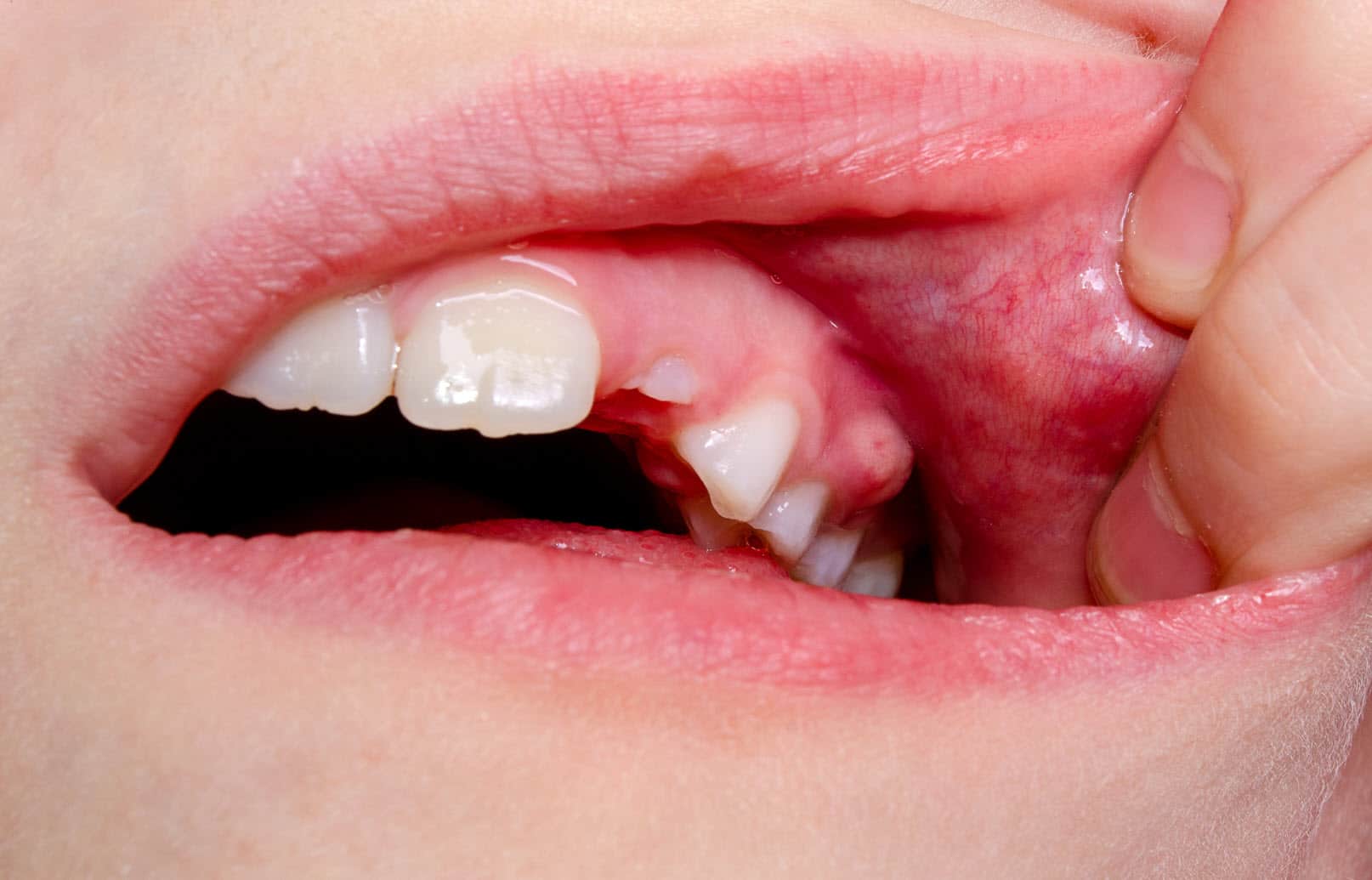
There are two kinds of abscesses: periapical abscess (abscess at the end of a tooth) and periodontal abscess (abscess in the gum).
What Is a Dental Abscess?
A dental abscess is basically your body’s alarm system telling you there’s an infection around a tooth or in the gum. It usually starts when bacteria get deep inside a tooth—often through untreated decay, a crack, or gum disease—and your body responds by sending white blood cells to fight it, creating a pocket of pus. That pressure is what causes the throbbing pain or swelling people often describe. It’s not just a “bad toothache”—it’s an infection that won’t go away on its own and needs proper treatment from a dentist to stop it spreading and help you heal.
Common Symptoms of a Dental Abscess
If you’re here because something doesn’t feel right with your tooth or jaw, and you’re wondering whether it’s more serious than “just a toothache,” this section will help you understand what to look for — and which symptoms mean you shouldn’t wait to get help.
Symptoms of a Dental Abscess
These are the earlier signs that an abscess may be forming. They’re uncomfortable, but they usually give you enough time to see a dentist before things get serious.
- Throbbing Toothache: A deep, pulsing pain that may spread to your jaw, ear, or neck.
- Swelling Near the Gum or Face: Puffiness around the tooth or cheek that feels tender to the touch.
- Sensitivity to Hot or Cold: Drinks and food that normally feel fine suddenly make your tooth zing with pain.
- Pain When Biting or Chewing: Pressure on the tooth makes it feel sharp, sore, or bruised.
- Gum Pimple (Dental Fistula): A small bump on the gum that may ooze pus and leave a bad taste in your mouth.
- Bad Taste or Smell: A salty, metallic, or foul taste coming from the infected area, sometimes with bad breath.
Warning Signs You Shouldn’t Ignore
These symptoms suggest the infection may be spreading. If you notice any of them, don’t wait — this is the point where dental care becomes urgent.
- Rapid Facial Swelling: If the swelling starts moving to your cheek, eye, or neck, it’s a red flag for spreading infection.
- Fever or Chills: Your body is fighting the infection — this is no longer a simple tooth problem.
- Difficulty Swallowing or Breathing: This can mean the infection is moving towards the throat or airway — you need urgent medical care.
- Trouble Opening Your Mouth Fully (Lockjaw): If your jaw feels stiff or stuck, the infection may be affecting deeper tissues.
- Feeling Weak or Unwell: Tiredness, dizziness, or a fast heartbeat can be signs that your body is struggling to control the infection.
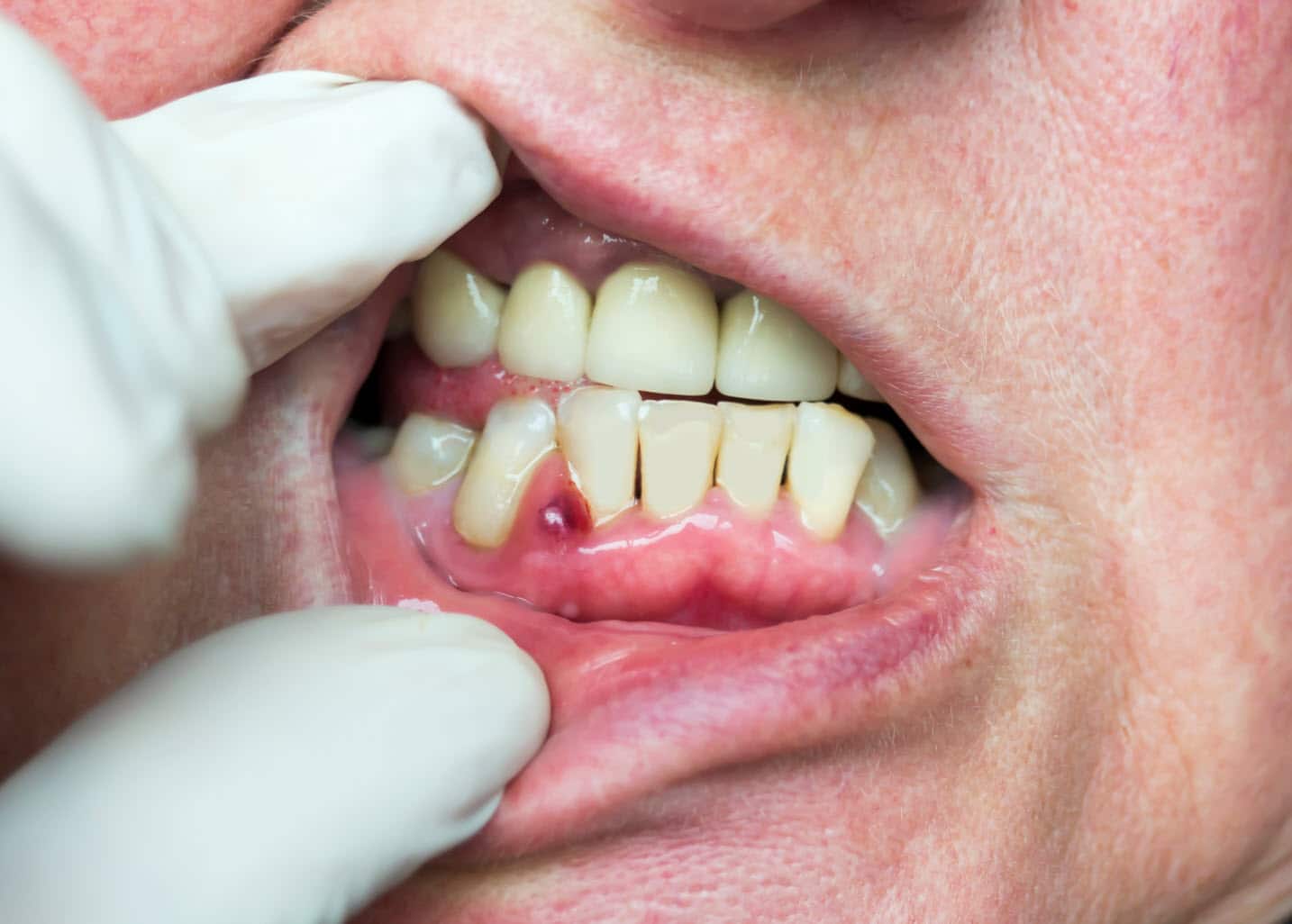
treatment of gum abscess in Brisbane
Is a Dental Abscess an Emergency?
A dental abscess doesn’t always mean a rush to the hospital, but there are times when waiting for a normal dentist appointment just isn’t safe. The difference comes down to one simple question — is the infection staying local, or is it starting to spread?
When You Still Have Time to See a Dentist (But Shouldn’t Delay Too Long)
These signs mean you should book a dental appointment as soon as possible. It’s important, but not an emergency room situation—yet.
- Localised Tooth Pain: The ache is strong or constant, but you can still eat, speak, and rest (even if it’s hard).
- Mild Swelling Near One Tooth or Gum: The swelling hasn’t moved to your cheek, eye, or neck.
- Small Gum Pimple or Bad Taste: Pus might be draining, but you’re breathing and swallowing normally.
- No Fever or Body Aches: You feel uncomfortable, but not sick or shaky.
When It Becomes a Dental Emergency
These signs mean the infection might be spreading and may affect your airway, overall health, or even become life-threatening. This is when you need urgent dental or medical help — not tomorrow, but now.
- Swelling Spreading to the Face, Eye, Jaw, or Neck: This shows the infection is moving beyond the tooth.
- Fever, Chills, or Feeling Very Unwell: Your immune system is fighting hard — this isn’t just a tooth problem anymore.
- Difficulty Breathing or Swallowing: The infection may be pressing on your airway or throat. This is an emergency.
- Can’t Open Your Mouth Fully (Lockjaw): Stiffness or limited mouth opening suggests deeper tissue involvement.
- Confusion, Dizziness, or Rapid Heartbeat: These are signs the infection may be affecting your whole body.

A periodontal abscess is visible on the gum as swelling
What Causes a Dental Abscess?
Most people blame themselves when they get a dental abscess, but it’s not always about forgetting to brush — sometimes it’s the decay you didn’t feel, a tiny crack you never noticed, or a problem quietly starting to form under a filling.
- Deep Tooth Decay: When decay is ignored for too long, bacteria reach the nerve inside the tooth and trigger an infection. According to Dr Ellie Nadian, our Brisbane Paediatric Dentist, this is something she sees often in children — not because parents don’t care, but because early tooth decay can be painless and easy to miss.
- Cracked or Broken Tooth: Even a tiny crack can let bacteria sneak inside and cause an abscess, especially if it’s left untreated.
- Old or Leaking Dental Fillings: If a filling wears out and no longer seals the tooth properly, bacteria can slip in and start an infection under the surface.
- Gum Disease (Periodontitis): Inflamed gums can pull away from the teeth, creating pockets where bacteria collect and form an abscess.
- Food or Debris Stuck Under the Gum: Trapped food, especially between the teeth or under the gum, can irritate the area and lead to an infection.
- Injury or Trauma to a Tooth: A hit to the mouth — from sport, a fall, or even biting something too hard — can damage the tooth’s nerve and make it more likely to get infected.
- Weakened Immune System: Conditions like diabetes or medications that affect the immune system can make it harder for the body to fight off dental infections.
- Impacted Wisdom Teeth: As Dr Roya Moulavi, a dentist in Perth explains, when wisdom teeth don’t fully come through, bacteria can collect around them and cause swelling or infection.
Our Treatment Options for a Dental Abscess
Treating a dental abscess isn’t the same for everyone — it depends on a few factors like:
- whether the tooth can still be saved,
- if the infection is staying around the tooth or spreading to the face or neck,
- how much pain or swelling you’re in,
- and whether you have other health conditions like diabetes or a weaker immune system.
Once we know those things, we can choose the safest and most effective way to treat the abscess and stop the infection properly — not just cover up the pain.
Draining the Abscess
This is often the first step when the pressure and pain are intense. Our dentists may make a small opening in your gum or tooth to let the pus out. It might not sound pleasant, but most people feel a big sense of relief soon after. You may feel a bit tender afterwards, but that sharp, throbbing pain usually settles quickly.
Root Canal Treatment (If the Tooth Can Be Saved)
If we think the tooth can still be saved, we’ll clean out the infection from inside it — including the damaged nerve and bacteria. After that, your tooth is sealed and later covered with a filling or crown to protect it. A lot of people worry that root canal treatment will be painful, but with good numbing or, if needed, our range of sedation dentistry options, it often just feels like sitting through a slightly longer filling.
Tooth Removal (If the Tooth Can’t Be Saved)
If the tooth is too broken down, cracked, or infected to fix, removing it can be the safest way to stop the infection from spreading. We will numb the area fully, so you shouldn’t feel pain during the procedure — just a bit of pressure. Once it heals, you can talk about options to replace it, like dental implants Brisbane, a bridge, or dentures, if you choose to.
Deep Gum Cleaning (For Gum Abscesses)
If the abscess is coming from your gum and not your tooth, our dentists will clean around your tooth and under the gum to remove trapped bacteria, food, or plaque. This helps the infection clear and gives the gums a chance to heal. You might feel some pressure during the cleaning, but it shouldn’t hurt.
Antibiotics (Used Only When Needed)
Our dentists might prescribe antibiotics if the infection is spreading to your face or neck, you have a fever, or you can’t get treated straight away. They help control the infection, but antibiotics don’t fix the abscess permanently — you’ll still need dental treatment to remove the source. They’re just a backup support, not the final solution.
We Have a Solution for Dental Anxiety!
Sometimes fear of the dentist is strong enough to make someone put off a check-up, live with pain, or hope a problem will just go away on its own. We get it — it’s hard to sit in that chair when you’re too anxious. Don’t worry; we offer sedation options, so getting the care you need doesn’t have to feel so stressful.
Laughing Gas
Laughing gas is a light and gentle sedation option. You simply breathe it in through a small nosepiece, and within moments, you feel more relaxed and at ease. You stay awake the whole time, and once it’s turned off, the calm feeling disappears quickly.
IV Sedation (Twilight Sedation)
IV sedation is a deeper level of relaxation. A sedative is given through a vein, and it settles you into a dream-like state. With IV sedation or twilight sedation, you won’t be unconscious, but everything feels distant and hazy — many people don’t remember much afterwards.
Sleep Dentistry (General Anaesthesia)
For people who feel extremely anxious or need longer, more complex treatments like complex dental surgery or wisdom teeth removal, sleep dentistry in Brisbane is an option. Sleep Dentistry Brisbane uses general anaesthesia so you’re completely asleep from start to finish, and your dental work is done while you’re resting. Brisbane Dental Sleep Clinic shares that sedation dentistry is especially helpful for patients who need complex dental care and want a more relaxed experience.
Dental Care for Children with Special Needs
Dental care for special needs children in Brisbane can be especially challenging for children who struggle with noise, pain, new places, or sensory overload. If your child has special needs, let us know when you book. Dr Ellie Nadian – Brisbane special needs dentist can slow things down, keep the environment calm, and explain each step in a way that feels safer for your child. For more details or support, you can visit: Dentistry for Children with Disabilities Brisbane
Frequently Asked Questions
No, a dental abscess won’t heal on its own. You might feel a bit better if it bursts and the pressure eases, but the infection is still there. If you try to wait it out or only rely on painkillers or antibiotics, it often comes back — and sometimes spreads to your face, neck, or even makes you feel really unwell. The only way to get rid of it properly is to see your dentist, so they can clean out the infection and stop it from causing more problems.
If you think you have a dental abscess, it’s not something to wait on. You might be tempted to see if the pain settles or to just take painkillers, but an abscess is an infection, and infections don’t fix themselves. You can manage the pain for a short while, but the longer you wait, the higher the chance it spreads to your face, jaw, or even affects your breathing. The safest thing to do is book a dental appointment as soon as possible — not in a few weeks, but in a few days or sooner if the swelling is getting worse, you have a fever, or you’re feeling unwell.
Trying to pop an abscess yourself may actually push the infection deeper, damage the tissue, and make things worse. Even if some pus comes out, the infection is still there and can spread to your jaw, neck, or even your bloodstream. The safest option is to keep the area clean, avoid pressing on it, and see your dentist to have it treated properly and safely.
You might still be able to go to work, study, or travel if the pain is mild and there’s no swelling in your face or fever — but that doesn’t mean it’s safe to ignore. Physical activity, flying, or even stress can make the pain worse or increase swelling. If you start to feel unwell, struggle to open your mouth, or notice swelling spreading, it’s best to stop what you’re doing and get dental care quickly. So yes, you might get through the day — but the abscess won’t heal on its own, and waiting too long can turn a small problem into a serious one.
Yes, it may. The nerves in your teeth are closely connected to the nerves in your jaw, ears, and head, so pain from an abscessed tooth can spread or “travel” to those areas. You might feel it as a headache, earache, pressure behind the eye, or even pain along the jaw. It doesn’t mean there’s something wrong with your ear or eye — it’s just your brain getting mixed signals from the infected tooth. Once the abscess is treated, that referred pain usually settles down too.
Yes, treatment is still safe — and it’s important not to ignore it. Leaving an abscess untreated can cause more stress to your body than the dental treatment itself. Your dentist will avoid anything risky for the baby, use pregnancy-safe medications if needed, and only take X-rays with proper protection. The second trimester is usually the most comfortable time for dental treatment, but if the infection is severe, it should be treated sooner rather than later.
It can, but only if the original problem wasn’t fully fixed. An abscess may return if the root canal wasn’t completed properly, the tooth cracked later on, bacteria leaked in around an old filling or crown, or the gum around the tooth became infected again. Sometimes, people feel better after antibiotics and don’t finish the dental treatment — and that’s when it often comes back. Once the infection source is completely removed and the tooth or gum is properly sealed and healed, it’s far less likely to return.
Sleeping with an abscess can be really tough because the pain often feels worse at night when you lie down. You can try keeping your head slightly raised with an extra pillow — this helps reduce pressure and throbbing. Taking pain relief as recommended by your dentist or doctor before bed may help you get some rest. Avoid lying on the side of your face that hurts, and try not to apply heat — it can make swelling worse. These tips might make the night easier, but they won’t replace proper treatment.
Yes, it can. An abscess is an infection, and when your body tries to fight it, you might feel tired, weak, feverish, or even dizzy. Some people also notice swollen glands, a faster heartbeat, or just feel “off.” These are signs the infection is affecting more than just your tooth — and that you should get dental or medical care soon.
Need Help With Dental Pain or Swelling? We’re Here to Listen and Help
If your tooth is sore or swollen and you’re not sure what to do next, you’re welcome to get in touch for advice. We offer Humm and SuperCare if you’d like support with payment options. Call us on 07 3343 4869.